How I Smartened Up My Budget Without Feeling Broke
Remember that sinking feeling when your paycheck vanishes by the 15th? I’ve been there—overspending on small luxuries, underestimating bills, and constantly stressing about money. But after testing real budget tweaks, I found strategies that cut waste without sacrificing joy. This isn’t about extreme frugality; it’s about smarter choices. Let me walk you through how simple shifts in mindset and planning can reshape your financial flow and keep more cash in your pocket—legit. These aren’t drastic lifestyle overhauls or unrealistic denial of everyday pleasures. Instead, they’re practical, sustainable changes grounded in awareness, intention, and consistency. What started as a desperate attempt to stop living paycheck to paycheck turned into a lasting transformation in how I view and manage money. The goal isn’t perfection. It’s progress—measurable, meaningful progress that builds confidence and control over time.
The Budget Trap Everyone Falls Into (And How to Escape)
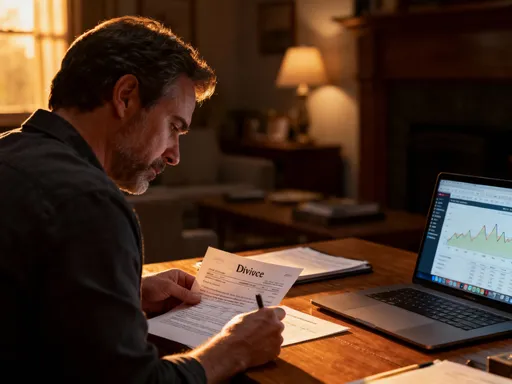
Many people approach budgeting with dread, seeing it as a rigid set of rules that restrict freedom and eliminate enjoyment. But the real problem isn’t budgeting itself—it’s how most people design and use their budgets. I used to create monthly budgets based on rough estimates, only to abandon them within days because they didn’t reflect my actual life. I’d forget recurring charges, underestimate daily expenses, and then feel defeated when I overspent. That cycle wasn’t a failure of discipline; it was a failure of structure. The budget was built on assumptions, not data, and expected willpower to carry the load instead of creating systems that supported lasting behavior.
What changed for me was shifting my mindset from restriction to redirection. A budget isn’t about saying no to everything you enjoy—it’s about saying yes to what truly matters by intentionally directing your money. When I stopped treating my budget like a punishment and started viewing it as a financial blueprint, everything shifted. I began tracking every dollar I spent for two weeks, not to judge myself, but to understand my patterns. That short experiment revealed uncomfortable truths: I was paying for three streaming services I rarely used, had forgotten subscriptions draining my account, and regularly spent money on quick meals out without realizing how much it added up. These weren’t moral failures—they were blind spots.
The reason most budgets fail is that they rely on motivation rather than mechanics. They ask you to resist temptation every single day without building in safeguards or feedback loops. The solution is to design a budget that works with your natural habits, not against them. This means setting realistic categories based on actual spending history, allowing room for flexibility, and building in regular check-ins. For instance, instead of cutting my dining-out budget to zero, I set a reasonable limit based on past averages and adjusted other areas to balance it. That small change made the budget feel achievable, not oppressive. When a financial plan feels impossible, people give up. But when it feels like a helpful guide, they stick with it.
Mapping Your Money: The Foundation of Smart Budgeting
Before you can improve your financial situation, you need a clear, honest picture of where your money is going. I started this process with nothing more than a notebook, a pen, and a commitment to track every expense for 30 days. No apps, no complicated spreadsheets—just raw data. At first, it felt tedious, but within a week, patterns emerged that I had completely overlooked. I discovered that small, routine purchases—like coffee, online shopping, and convenience store stops—were quietly consuming hundreds of dollars each month. These weren’t reckless splurges; they were automatic behaviors I hadn’t questioned.
This exercise wasn’t just about recording numbers. It was about creating a cash-flow map—a visual representation of my financial life. I grouped expenses into broad categories: housing, utilities, groceries, transportation, subscriptions, dining, and discretionary spending. Then I color-coded them based on necessity and satisfaction. This simple act transformed abstract spending into something tangible. I could see, for example, that I was spending more on subscriptions than on groceries, which didn’t align with my values. The emotional impact of that realization was powerful. It wasn’t guilt—it was clarity.
Why does this step matter so much? Because awareness is the first step toward change. Without a clear map, you’re navigating blind. You might make cuts in the wrong places, depriving yourself of joy while leaving real financial leaks untouched. Once I had my map, I could make informed decisions. I canceled two streaming services I never used and switched to a cheaper phone plan after comparing options. These weren’t sacrifices—they were corrections. I also noticed emotional spending spikes, usually after stressful days or family responsibilities piled up. Recognizing that pattern allowed me to plan for it. Now, instead of reacting with impulsive purchases, I have a small self-care fund built into my budget, so I can treat myself without derailing my goals.
A clear financial map also makes future planning more accurate and less stressful. When you know your average spending in each category, you can set realistic limits and anticipate fluctuations. For example, I noticed that my utility bills spiked in winter, so I started setting aside a little extra each month during warmer months to cover the difference. This smoothing technique reduced the shock of seasonal expenses and eliminated last-minute scrambling. Mapping your money isn’t a one-time task. I revisit mine every quarter to ensure it still reflects my life and priorities. This ongoing awareness keeps me in control and prevents old habits from creeping back.
The Art of Strategic Cost Optimization
Cost optimization is often mistaken for extreme frugality, but it’s actually about making smarter, more intentional choices. I used to think saving money meant giving things up, but I’ve learned that it’s more effective to focus on value than price. Instead of cutting everything, I began asking: Am I getting the most out of this expense? Can I get the same benefit for less? This shift in thinking led to small, sustainable changes that added up over time. For example, I bundled my internet and phone services, which reduced my monthly bill by nearly 20%. I also renegotiated my car insurance rate by shopping around and asking for a loyalty discount—something I’d never considered before.
One of the most impactful changes was aligning my payment dates with my pay schedule. I used to pay bills as they arrived, which often meant covering expenses before I had the income. This created constant cash flow stress and sometimes led to late fees. By shifting due dates to fall a few days after payday, I ensured I always had funds available. This simple logistical tweak eliminated financial anxiety and improved my credit score over time. It wasn’t about spending less—it was about timing spending more effectively. Another strategy I adopted was buying in bulk for non-perishable household items. While this required a slightly higher upfront cost, the per-unit price was significantly lower, and I saved time by reducing shopping trips.
The key to successful cost optimization is consistency, not dramatic cuts. I stopped looking for one big win and focused on making small, repeatable improvements. For instance, I began using a price-tracking app to time my purchases with sales cycles. I waited for discounts on things like shoes, electronics, and even groceries, which added up to hundreds in annual savings. I also learned that many companies offer retention deals if you call and ask. When I contacted my internet provider about a competing offer, they immediately lowered my rate for a year. This wasn’t about being demanding—it was about being informed and proactive.
These micro-adjustments didn’t disrupt my lifestyle, but they significantly improved my financial health. The reason small savings matter is that they compound. Saving $10 a week may seem insignificant, but over a year, it’s $520—enough for an emergency fund cushion or a meaningful family experience. Strategic cost optimization isn’t about deprivation. It’s about maximizing value, reducing waste, and redirecting resources toward what truly matters. When you treat every expense as negotiable, you gain power over your money instead of feeling controlled by it.
Building Buffers, Not Just Budgets
One of the biggest lessons I’ve learned is that a budget without a buffer is incomplete. I used to treat savings as something to do only after all other expenses were covered. Predictably, that meant I rarely saved anything. Then an unexpected car repair cost me over $600, and I had to put it on a credit card. That moment was a wake-up call. I realized that no matter how well I planned, life would throw curveballs. The problem wasn’t the expense—it was the lack of preparation. That’s when I started building buffers into my budget as non-negotiable line items, just like rent or utilities.
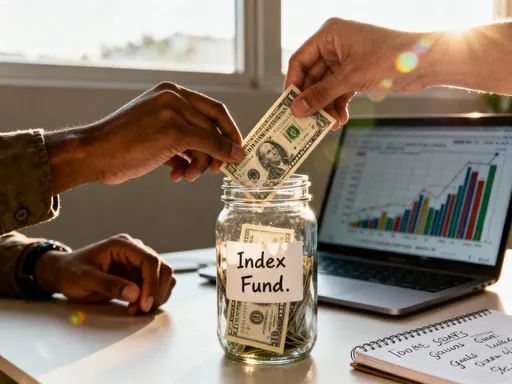
I began by setting aside $50 a month into a dedicated emergency fund. It wasn’t much, but it was consistent. Over time, that small amount grew into a real safety net. I also created mini-buffers for predictable but irregular expenses, like car maintenance, medical co-pays, and holiday gifts. By dividing the estimated annual cost by 12, I could set aside a manageable amount each month. For example, if I expected $300 in car repairs per year, I saved $25 a month. When the expense came due, I was ready—no stress, no debt.
Why are buffers so important? Because financial resilience isn’t about avoiding surprises—it’s about being prepared for them. Without a cushion, even a minor setback can trigger a chain reaction of late fees, credit card debt, and stress. Buffers create breathing room, allowing you to handle emergencies without derailing your entire financial plan. They also reduce emotional spending, because you’re not constantly worried about the next unexpected bill. Knowing I had a growing emergency fund gave me peace of mind and made it easier to stick to my budget.
Another benefit of building buffers is that it shifts your relationship with money. Instead of living in constant reaction mode, you move into a position of control. You’re no longer at the mercy of circumstances. This proactive approach also makes long-term goals more achievable. Once my emergency fund reached three months of essential expenses, I opened a separate savings account for bigger goals, like a family vacation and home improvements. By treating savings as a priority, not an afterthought, I turned it into a habit. Now, saving is automatic, and my financial confidence has grown steadily.
Automating for Success: Letting Systems Do the Work
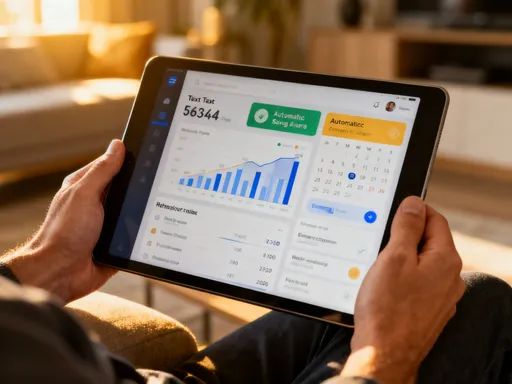
One of the most transformative changes I made was automating my finances. I used to manage everything manually—paying bills, transferring savings, tracking expenses. It was time-consuming and prone to mistakes. If I was tired or busy, I’d forget something, leading to late fees or missed opportunities. Then I realized that willpower and memory are unreliable. Systems, on the other hand, are consistent. I set up automatic transfers from my checking account to my savings and emergency fund on the same day I get paid. I also automated bill payments for utilities, insurance, and subscriptions.
The impact was immediate. No more late fees. No more stress about remembering due dates. My savings started growing steadily, even when I wasn’t thinking about it. This wasn’t magic—it was mechanics. Automation removes decision fatigue, one of the biggest obstacles to financial success. Every time you have to choose whether to save or spend, you risk choosing the easier, short-term option. But when the transfer happens automatically, consistency becomes passive. You don’t have to rely on motivation; the system does the work for you.
I also automated my discretionary spending by using separate accounts for different categories. I set up a second checking account for variable expenses like groceries, dining, and shopping. Each month, a fixed amount is transferred there, and once it’s gone, I stop spending in that category. This envelope-style system prevents overspending without requiring constant vigilance. I still have freedom to enjoy life, but within clear boundaries. Seeing my savings accounts grow quietly in the background has been oddly motivating. It’s like watching progress happen in real time.
Automation also improved my credit score by ensuring on-time payments. It reduced mental load, freeing up energy for more important things—like spending time with family or pursuing personal goals. The best part is that once everything is set up, it requires almost no maintenance. I review my accounts monthly, but the heavy lifting is done by the system. Automation isn’t about being lazy—it’s about being smart. It turns good intentions into reliable outcomes. If you want to build lasting financial habits, let technology do the heavy lifting.
The Hidden Costs of Convenience (And How to Fight Them)
We live in a world that rewards speed and ease, but convenience often comes at a financial cost. I didn’t realize how much I was paying for it until I audited my spending. Delivery fees, express shipping, premium subscriptions, ready-made meals, and on-demand services all added up. Individually, each charge seemed small—$3 here, $5 there. But collectively, they were draining hundreds of dollars each month. The emotional payoff felt real: less stress, more time, immediate gratification. But the financial trade-off was significant.
Why do we overpay for convenience? Because time feels more limited than money, especially for busy family members managing households, jobs, and responsibilities. When you’re exhausted, paying a little extra to save time or effort seems justified. I used to order dinner delivery several times a week, telling myself I deserved a break. But when I calculated the cost—nearly $200 a month—I realized I could use that money for something more meaningful, like a weekend getaway or a home upgrade.
The solution isn’t to eliminate convenience altogether—it’s to make conscious choices. I started with simple swaps. Instead of delivery, I used grocery pickup, which saved on fees and still saved time. I batch-cooked meals on weekends, reducing the need for last-minute takeout. I canceled premium subscriptions that offered faster shipping or ad-free browsing, opting for standard options instead. These changes didn’t require major lifestyle shifts, but they had a real financial impact.
Awareness is the first defense against convenience costs. Now, before I pay extra for speed or ease, I pause and ask: Is this worth it? Will it make a meaningful difference in my day? Often, the answer is no. By making intentional trade-offs—accepting a slightly longer wait in exchange for savings—I’ve regained control over my spending. I still use convenience services when they truly add value, but I do so selectively. This mindful approach has freed up money for things I care about more, like family experiences and long-term security.
Staying on Track: Flexibility Over Perfection
No budget survives contact with real life unchanged. I used to believe that any deviation meant failure. If I overspent in one category, I’d abandon the entire plan, thinking I’d blown it. That all-or-nothing mindset set me up for repeated cycles of starting and quitting. What finally helped me succeed was embracing flexibility over perfection. I now understand that a budget is a living document—it should adapt to life’s changes, not resist them.
My current approach is to review my budget every Sunday. I look at the past week’s spending, compare it to my plan, and make adjustments for the week ahead. If I overspent on groceries, I’ll reduce my dining-out budget to balance it. If I have an upcoming expense, I shift funds accordingly. This weekly rhythm keeps me engaged and in control. It turns budgeting from a rigid rulebook into a responsive tool. The mindset shift—from perfection to progress—has been liberating. I’m no longer paralyzed by mistakes. Instead, I learn from them and move forward.
Flexibility also allows me to enjoy life without guilt. If a family event comes up and I want to spend a little more, I can adjust other areas to make room. This prevents resentment and burnout. Budgeting isn’t about control for its own sake—it’s about creating freedom. Freedom from stress. Freedom from debt. Freedom to focus on what matters. When your financial plan is flexible, it supports your life instead of restricting it.
In the end, smart budgeting isn’t about cutting every expense or living with less. It’s about making your money work for you. It’s about clarity, intention, and consistency. By escaping the budget trap, mapping your money, optimizing costs, building buffers, automating systems, resisting convenience premiums, and embracing flexibility, you create a financial foundation that supports your goals and values. These changes didn’t happen overnight, but each small step built confidence and momentum. Today, I’m not just surviving—I’m thriving, with more peace of mind, more savings, and more freedom to live well.