How I Tamed Property Taxes with a Smarter Money System
Paying property taxes used to stress me out—every bill felt like a surprise. I’d scramble to cover costs, wondering why my neighbors seemed calmer about it. Then I realized: it’s not about the tax, but how you manage it. I built a simple, personal system using smart financial tools, and it changed everything. No more panic, no more last-minute loans—just control, predictability, and real savings. What began as a reaction to financial pressure turned into a structured approach that not only eased my tax burden but also strengthened my overall money habits. This isn’t about tax evasion or complex loopholes. It’s about clarity, preparation, and using accessible tools to turn a fixed expense into a managed, even strategic, part of your financial life.
The Hidden Cost of Ignoring Property Tax Planning
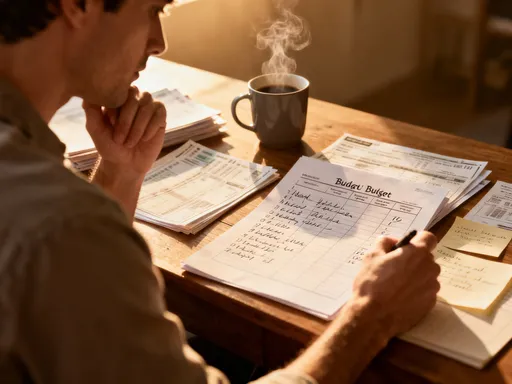
Many homeowners treat property taxes as an unavoidable annual bill, something to be paid and forgotten. But this mindset can quietly erode financial stability. When property tax payments are not planned for, they can create sudden cash flow gaps—especially when assessments rise unexpectedly. A seemingly modest increase in your tax bill, say 5% to 10%, may not sound alarming at first. However, for a homeowner already managing a tight budget, that additional $500 or $1,000 can mean delaying a home repair, dipping into retirement savings, or skipping a necessary medical check-up. The real danger lies not in the tax itself, but in the lack of anticipation.
Consider a real-life scenario: a family in a growing suburban area receives their annual tax notice and discovers a 12% increase due to rising home values in their neighborhood. They hadn’t budgeted for it. To cover the cost, they withdraw funds from a college savings account, losing months of compound growth for their child’s education. This is a classic ripple effect—what starts as a tax surprise leads to long-term financial setbacks. The cost of poor planning isn’t just the tax; it’s the opportunity lost elsewhere in the financial plan.
Moreover, failing to plan for property taxes can limit your ability to take advantage of other financial opportunities. For instance, if a chance arises to invest in a home improvement that could increase property value, but your funds are tied up or depleted by an unanticipated tax payment, you may have to pass on the upgrade. The same applies to emergency needs—without a dedicated reserve, homeowners may turn to high-interest credit cards or personal loans, compounding stress with debt.
The solution begins with reframing how we view property tax. It should not be treated as a passive, annual shock. Instead, it should be integrated into your financial system as a predictable, managed expense—like insurance or utilities. Proactive tax budgeting means setting aside funds gradually throughout the year, tracking assessment trends, and adjusting your savings accordingly. This shift in mindset transforms property tax from a source of anxiety into a routine part of responsible homeownership. When managed wisely, it no longer disrupts your financial rhythm but becomes a structured element of it.
Building Your Property Tax Management Framework
A reliable financial system doesn’t happen by accident—it’s built deliberately. When it comes to property taxes, the foundation is a personalized management framework that aligns with your income, spending habits, and long-term goals. The first step is understanding your tax cycle. Most homeowners pay property taxes either annually or in two installments, typically in the spring and fall. Knowing these dates is essential, but it’s not enough. The real power comes from synchronizing these payment deadlines with your personal cash flow.
For example, if you receive a year-end bonus, consider directing a portion of it into a dedicated tax reserve fund. This not only ensures funds are available when the tax bill arrives but also allows you to avoid dipping into emergency savings or daily operating accounts. Similarly, if you’re a rental property owner, aligning tax payments with rental income cycles can create a self-sustaining rhythm. Rent collected in January can be partially allocated to cover a spring tax payment, turning tenant payments into a direct source of tax funding.
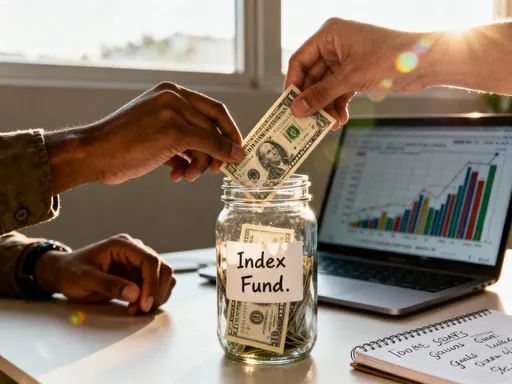
The centerpiece of this framework is the tax reserve fund—a separate savings account used exclusively for property tax obligations. This account acts as a financial buffer, absorbing the impact of tax payments without disrupting your monthly budget. The key is consistency: calculate your annual tax liability, divide it by 12, and set up automatic monthly transfers into this account. For instance, if your annual tax bill is $3,600, you would transfer $300 each month. Over time, this builds a cushion that eliminates year-end scrambling.
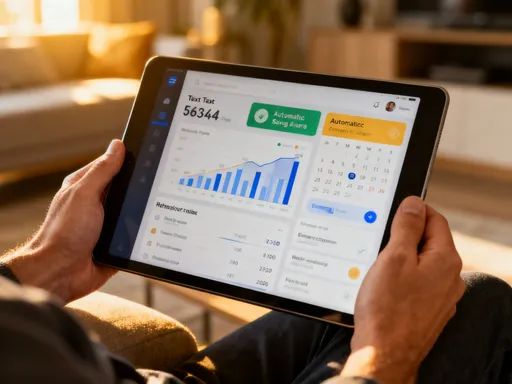
Automation is a powerful ally in this process. Most banks allow recurring transfers between accounts, making it easy to “set and forget” your savings plan. By treating your tax reserve like a monthly bill, you ensure that funds are consistently set aside. This method also provides visibility—each month, you see the balance grow, reinforcing discipline and reducing the psychological burden of the eventual payment. The result is a system that feels effortless, even as it protects your financial stability.
Financial Tools That Make a Difference
Not all savings accounts are created equal, and the tools you choose can significantly impact your ability to manage property taxes effectively. A basic checking account may be convenient, but it offers no interest and exposes tax funds to the risk of accidental spending. Instead, homeowners should consider purpose-built financial tools that protect and grow their reserved funds. Among the most effective are high-yield savings accounts, money market accounts, and short-term certificates of deposit (CDs).
High-yield savings accounts, offered by many online banks, typically provide interest rates that are several times higher than traditional brick-and-mortar banks. While the returns may seem modest—often between 3% and 5% annually—they turn idle tax funds into working capital. Over the course of a year, a $3,600 balance in a 4% account could earn around $140 in interest. That’s not a windfall, but it’s real money that offsets part of your tax burden. More importantly, these accounts maintain liquidity, allowing you to access funds when the tax bill is due.
Money market accounts offer a similar benefit, often with slightly higher yields and check-writing capabilities. They are ideal for homeowners who want both growth and flexibility. However, it’s important to review terms carefully—some accounts impose withdrawal limits or require minimum balances. The goal is to keep funds accessible while earning a return, not to lock them away or incur penalties.
For those who prefer a fixed return, short-term CDs can be a strategic choice. A 12-month CD, for example, locks in a rate for the year and ensures your principal is safe. While early withdrawal may incur a fee, the structure encourages discipline by making it harder to spend the money prematurely. Pairing a CD with automatic renewal can create a seamless cycle—each year, the matured CD funds are transferred back into your tax reserve, ready for the next payment.
Escrow accounts, commonly used in mortgage arrangements, are another tool worth considering. If your lender manages an escrow account, they collect a portion of your property tax with each mortgage payment and pay the bill on your behalf. This removes the burden of tracking deadlines and ensures timely payment. However, it’s important to review your escrow analysis annually—lenders may overestimate or underestimate your tax obligation, leading to surprise shortages or surpluses. By monitoring this closely, you maintain control even when a third party is involved.
Timing Is Everything: When to Pay, When to Save
The timing of your property tax payments can have a meaningful impact on your financial health. While some jurisdictions require annual payments, others allow installment plans. Choosing the right timing strategy involves balancing cash availability, interest opportunities, and personal discipline. The decision isn’t just about when to pay—it’s about when to save and how to use your money most effectively in the meantime.
Annual payment plans often appeal to those who prefer simplicity. One transaction, one date, one cleared obligation. However, this approach requires having a large sum available all at once. For many households, that means either saving aggressively throughout the year or relying on credit when funds fall short. The psychological benefit of “getting it over with” must be weighed against the practical challenge of liquidity.
Installment plans, on the other hand, spread the burden into smaller, more manageable chunks. Paying half in spring and half in fall can align better with seasonal income patterns, such as tax refunds or bonus cycles. This method reduces the immediate cash drain and allows for more consistent budgeting. However, it requires discipline to ensure both payments are covered—missing the second installment is just as damaging as missing the first.
From an investment perspective, timing can create opportunity. If you have the option to delay payment without penalty, holding onto your funds longer allows them to remain in an interest-bearing account. Even a few extra months of earning 4% interest on $3,600 adds up. This is the concept of opportunity cost—the value of what you give up by choosing one option over another. By saving early and paying on time, you avoid stress. By paying later—without penalty—you may gain a small financial edge.
The optimal strategy combines both approaches: save consistently throughout the year, but time the actual payment to maximize value. For example, if your tax is due in November, keep your reserve in a high-yield account until October, then transfer it to a checking account for payment. This way, you earn interest as long as possible while ensuring the funds are ready when needed. Realistic timelines, marked on a calendar or financial planner, help reinforce this rhythm and prevent last-minute surprises.
Avoiding Common Property Tax Traps
Even financially responsible homeowners can fall into avoidable traps when managing property taxes. These mistakes are often not due to negligence, but to a lack of awareness or systemic oversight. Recognizing these pitfalls is the first step toward building a more resilient financial system.
One of the most common errors is missing property reassessment deadlines. Many local governments periodically review home values to adjust tax rates. Homeowners have the right to appeal if they believe their property has been overvalued. Yet, without proactive monitoring, these opportunities are easily overlooked. For instance, a homeowner in a stagnant market might receive a higher assessment due to area-wide trends, even if their home hasn’t improved. Failing to appeal could mean paying hundreds more per year, indefinitely. The solution is simple: mark reassessment dates on your calendar and review your notice as soon as it arrives. If the valuation seems high, gather comparable home sales data and file an appeal. It’s a small effort with potentially significant returns.
Another frequent trap is mixing tax funds with everyday spending accounts. When money for property taxes sits in a checking account alongside grocery and utility funds, it becomes vulnerable to accidental use. A large tax reserve should never be in a place where it’s easy to spend. The remedy is separation—keep tax savings in a dedicated account with limited access. This physical and psychological barrier reinforces discipline and ensures the money is there when needed.
A third pitfall is ignoring changes in local tax policies. Municipalities may introduce new fees, adjust due dates, or modify penalty structures. Staying informed through official websites or local news helps prevent costly oversights. Subscribing to tax office updates or setting annual reminders to review policy changes can provide early warnings and allow time to adjust your plan.
Finally, some homeowners assume their mortgage escrow covers everything, only to discover later that supplemental or special assessment taxes are not included. These additional charges, often related to infrastructure projects, can add hundreds to a bill. Reviewing your tax statement in full—not just the total amount—helps identify these line items early. Awareness is the best defense against unexpected costs.
Scaling the System: From One Home to a Portfolio
For investors or those managing multiple properties, the complexity of property tax management increases significantly. Each property may be in a different jurisdiction, with unique assessment cycles, payment schedules, and tax rates. Without a centralized system, the risk of missed deadlines or miscalculated reserves grows. However, the core principles—planning, timing, and dedicated savings—can be scaled effectively.
The first step is consolidation. Create a master calendar that tracks all tax deadlines across properties. Color-coding by location or due date can enhance clarity. This single source of truth ensures that no payment is overlooked, even when obligations are spread across months. Digital tools like spreadsheets or financial management apps can automate reminders and provide alerts weeks in advance.
Next, establish individual tax reserve accounts for each property, or use a single high-yield account with internal tracking. The goal is to allocate funds accurately while maintaining liquidity. For example, if you own three homes with annual taxes of $2,000, $3,500, and $4,000, your total reserve target is $9,500. Dividing this into monthly savings means setting aside about $792 per month. Automation ensures this happens consistently, while periodic reviews confirm balances are on track.
Centralized tracking also helps identify trends. If one property’s taxes rise faster than others due to local development, you can adjust your savings rate accordingly. It also supports strategic decision-making—such as whether to sell a property with rising tax burdens or appeal an assessment before it impacts cash flow.
Digital tools play a crucial role in scaling. Cloud-based spreadsheets allow access from anywhere, and some property management software integrates tax tracking with rent collection and expense reporting. These systems reduce manual work and improve accuracy. For larger portfolios, working with a financial advisor or accountant who specializes in real estate can provide expert oversight and ensure compliance across jurisdictions.
Making It Stick: Habits That Support Long-Term Success
A financial system is only as strong as the habits that sustain it. No strategy, no matter how well-designed, will succeed without consistency. The key to long-term success in property tax management lies in building small, repeatable routines that integrate seamlessly into your life.
Start with quarterly check-ins. Every three months, review your tax reserve balance, compare it to your payment schedule, and confirm your savings rate is on target. This brief review—taking no more than 15 minutes—catches discrepancies early and reinforces accountability. Pair it with other financial reviews, such as retirement account statements or insurance renewals, to create a comprehensive money management rhythm.
Automate as much as possible. Set up recurring transfers the moment you establish your reserve fund. Link the transfer date to your payday, so savings happen before spending. This “pay yourself first” approach ensures discipline without daily decision-making. If your income varies, consider percentage-based transfers—for example, saving 3% of each paycheck toward taxes—so your contributions adjust naturally with your cash flow.
Annual reviews are equally important. When you receive your tax assessment, take time to understand the changes. Compare it to previous years, research local trends, and decide whether an appeal is warranted. This habit transforms a passive receipt into an active financial action. Over time, you’ll develop a deeper understanding of your tax environment and become more confident in your decisions.
Finally, celebrate small wins. When you pay your tax bill on time without stress, acknowledge it. This positive reinforcement strengthens the habit loop and makes the process feel rewarding rather than burdensome. Over time, what once felt like a dreaded obligation becomes a point of pride—a symbol of your financial control and foresight.
Mastering property tax isn’t about cutting corners—it’s about designing a smarter way to handle unavoidable costs. With the right system and tools, what once felt like a burden becomes a predictable, even strategic, part of your financial life. This approach doesn’t promise miracles, but it delivers something better: control, clarity, and peace of mind.