From Power Bills to Peace of Mind: How Smart Tools Transformed My Home Life
Living paycheck to paycheck, I used to dread opening my monthly energy bill. It felt like a mystery—why was it so high? Was I wasting energy without knowing? Then I discovered a few simple tech tools that changed everything. Suddenly, I wasn’t just saving money—I was sleeping better, feeling more in control, and sharing what I learned with friends. This isn’t about complex gadgets or technical know-how. It’s about real life, real savings, and the quiet confidence that comes from knowing your home works *with* you, not against you.
The Moment I Realized My Home Was Working Against Me
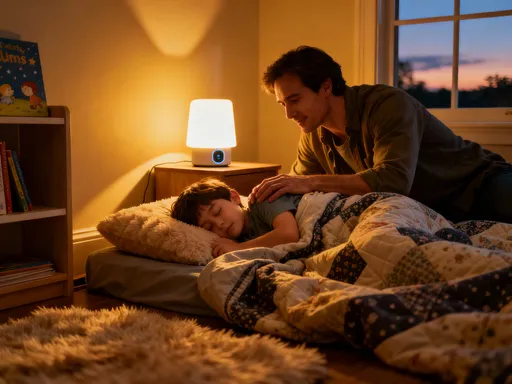
It was a humid Tuesday night in July when it finally hit me. I had tucked the kids into bed, double-checked the thermostat, and settled onto the couch with a cup of chamomile tea. Around midnight, I heard the air conditioner kick on again—full blast—despite the temperature outside having cooled down hours ago. I got up, checked the thermostat, and realized it was set to 72 degrees… all night long. No one had touched it. But there it was, humming away, cooling an empty living room while we slept.
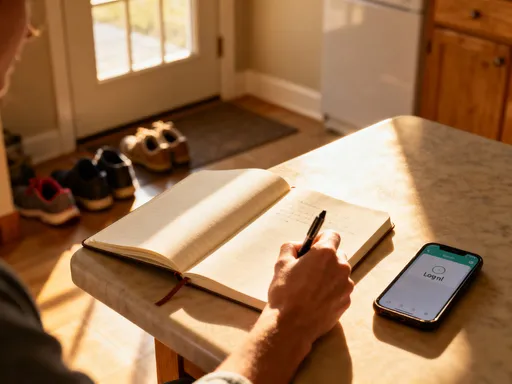
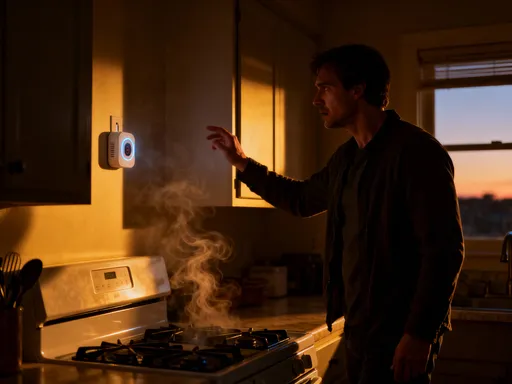
That moment wasn’t just about the AC. It was about the growing sense that my home wasn’t working *for* me—it was working *against* me. Every month, the electric bill arrived like a surprise guest I didn’t invite. Some months it was manageable. Others, it was hundreds more than expected. I started tracking when we used lights, the washer, the oven—but I couldn’t see the full picture. The real energy drains were invisible: the old fridge that cycled too often, the gaming console left in standby, the coffee maker that stayed on for hours after breakfast.
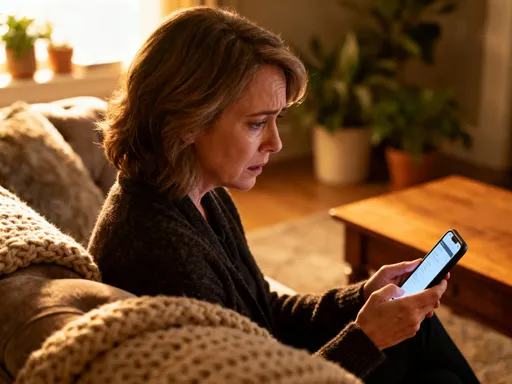
And it wasn’t just about money. It was the mental load. The constant second-guessing: Did I turn off the iron? Is the water heater running? Could we afford to run the AC during a heatwave? That stress started to wear on me. I felt like I was failing my family by not being able to keep things under control. But the truth was, I wasn’t failing. I just didn’t have the right tools. And once I found them, everything shifted—not overnight, but steadily, quietly, like a house finally learning to breathe.
Meet the Quiet Helpers: Energy Tools That Don’t Feel Like Tech
I’ll be honest—I wasn’t looking for a tech revolution. I didn’t want complicated apps or blinking lights or another gadget to manage. What I needed was peace of mind. So when a friend mentioned she used a small device to see how much energy her washing machine used, I was skeptical. But I was also tired. Tired of guessing. Tired of stress. So I gave it a try.
The first tool I bought was a plug-in energy monitor. It looks like a regular power strip adapter—nothing flashy. You plug it between your appliance and the wall, then check an app or a small display to see how much electricity it’s using, in real time. I started with my coffee maker. I thought, How bad could it be? Turned out, it was pulling power for six hours after I brewed my morning cup. That little red light wasn’t just on—it was costing me.
Then I tried a smart thermostat. Again, not some futuristic panel—it’s just a sleek white dial that replaces your old one. But here’s the magic: it learns. You tell it when you’re usually home, when the kids wake up, when bedtime starts. After a week, it adjusts the temperature on its own. No more freezing the house at 6 a.m. because no one remembered to change the setting. No more coming home to a sauna in summer.
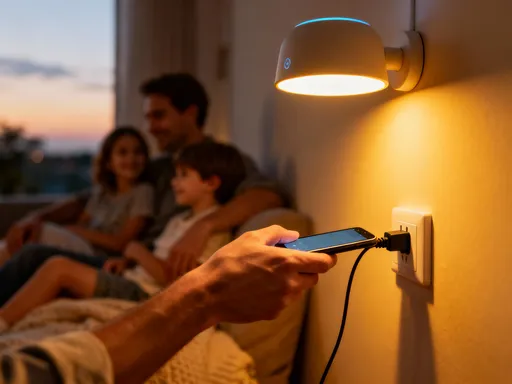
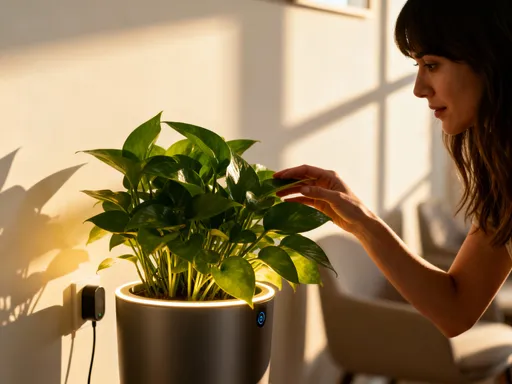
And smart plugs? Those were the game-changer. I put one on my living room lamp, another on the TV setup, and one on my home office printer. Now, I can turn them off with my phone or set schedules so they shut down at 10 p.m. every night. No more ‘Did I leave the TV on?’ anxiety. These tools don’t feel like tech. They feel like helpers—quiet, reliable, and always paying attention so I don’t have to.
How I Started Small (And Why You Should Too)
I didn’t go all-in right away. In fact, I started with just one device—one energy monitor, under $20, that I plugged into my oldest refrigerator. I’d heard older fridges could be energy hogs, but I didn’t know if mine was one of them. For a week, I watched the numbers. And what I saw shocked me: it was using nearly twice as much power as a newer model should.
But instead of panicking or rushing to buy a new fridge (which we couldn’t afford), I made small changes. I cleaned the coils in the back—something I hadn’t done in years. I made sure the door seals were tight. I stopped overloading it and let air circulate better. Those simple fixes dropped the energy use by 25% in one week. That small win gave me confidence. If I could make a difference with one appliance, what else could I improve?
That’s when I added a smart plug to my entertainment center. I set it to turn off at 10:30 p.m. every night—after the kids’ shows ended but before anyone forgot to unplug. I discovered our game console, soundbar, and streaming box were drawing power all night, even in ‘standby’ mode. Together, they were costing about $8 a month. Not huge, but that’s $96 a year—money we could use for groceries, school supplies, or even a small family outing.
Starting small meant I didn’t feel overwhelmed. I wasn’t rewiring the house or learning coding. I was just paying attention. And each little success—each lower reading, each automatic shutdown—built momentum. It wasn’t about perfection. It was about progress. And progress, even in tiny steps, feels powerful when you’re the one making it happen.
A Day in My New Routine: Tech Working in the Background
Mornings now start differently. The house wakes up with us. The thermostat senses when someone gets out of bed and gently raises the temperature in winter—or keeps it cool in summer. The kitchen lights turn on softly at 6:45 a.m., just enough to make breakfast without blinding anyone. I don’t have to flip switches or adjust settings. It just happens.
During the day, the water heater only runs when it knows we’ll need hot water—around 5 p.m., just before homework and baths begin. The smart plug on the coffee maker shuts off automatically at 9 a.m., so I never have to wonder if I left it on. Even the Wi-Fi router has a schedule—off during school hours when no one’s home, back on by 3 p.m. for homework and video calls. These aren’t big, dramatic changes. They’re quiet, seamless shifts that add up.
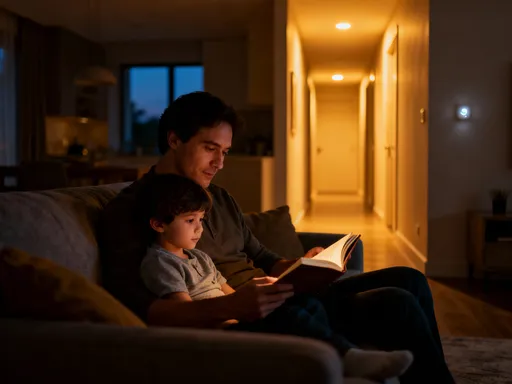
In the evening, the living room lights dim on their own as bedtime approaches. The TV and sound system shut down together at 10:30 p.m., no arguments, no forgotten remotes. If I’m still working late, I can check my phone and turn one light back on—no walking through the dark house.
The best part? I don’t think about it much anymore. That’s the real win. These tools aren’t demanding my attention. They’re not adding to my to-do list. They’re working in the background, like a good housekeeper or a trusted partner. And because they’re running quietly, I have more mental space. Less worry. More room to focus on what really matters—my family, my well-being, my peace.
What My Family Noticed (And Why That Matters Most)
At first, I thought this was just about saving money. But what surprised me most was how it brought us closer as a family. My daughter came home from school one day and said, ‘We learned about saving energy today! Did you know vampires use power even when they’re asleep?’ She was talking about phantom loads—the energy devices use when they’re off but still plugged in.
That night, we turned it into a game. We walked around the house with a notepad, looking for ‘vampires.’ We found the microwave clock, the printer, the old DVD player. My son started unplugging his tablet charger after it was full. My partner began asking, ‘Should we use the smart plug for this?’ before leaving the room. It wasn’t about policing each other. It was about being aware—together.
We started talking about conservation not as a chore, but as a team effort. When the monthly bill came, we’d open it as a family. And more often than not, it was lower. That became something to celebrate. Not because we were rich, but because we felt in control. We were making smart choices, and it showed.
But deeper than that, I noticed a shift in how we felt at home. There was less tension. Fewer ‘Did you turn that off?’ arguments. More calm. My partner said, ‘I don’t worry about the bills as much anymore.’ And I realized—neither did I. That sense of shared responsibility, of working toward a common goal, strengthened our connection. It wasn’t just a smarter home. It was a more peaceful one.
How You Can Start Tonight (No Expertise Needed)
You don’t need a degree in engineering. You don’t need to spend hundreds of dollars. You can start tonight—with one room, one plug, one small change. Here’s how I’d suggest you begin: pick one appliance you use daily. It could be your coffee maker, your lamp, your TV, or your microwave. Buy a simple smart plug—most are under $15 and take two minutes to set up. Plug it in, download the free app, and just watch for a few days.
Notice when it turns on and off. See how much energy it uses. You might be surprised. One friend of mine discovered her hair straightener was pulling power all day because it was plugged into an outlet behind the dresser. Another found her fish tank heater was running nonstop because the thermostat was faulty. Small things, but they add up.
After a week, make one change. Maybe it’s setting a schedule so the device turns off at night. Maybe it’s unplugging it completely when not in use. Maybe it’s just being more mindful. That one change builds confidence. Then, pick another room. Maybe the kitchen. Maybe the home office. Maybe the kids’ playroom.
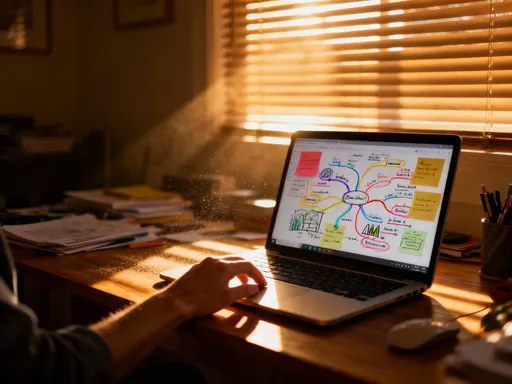
I started with my home office. I plugged my computer, monitor, and printer into a smart power strip. I set it to turn off at 8 p.m. every night. In one week, my office energy use dropped by 30%. That’s real money saved—and real peace gained. You don’t have to do everything at once. Just start. One step. One plug. One win.
More Than Savings: The Calm That Comes With Control
Looking back, this journey wasn’t really about technology. It was about reclaiming my home. It was about replacing anxiety with awareness, confusion with clarity, helplessness with control. The lower bills are nice—really nice—but they’re not the biggest gift these tools gave me.
The biggest gift is calm. The kind that settles in your chest when you know things are handled. The kind that lets you sleep through the night without wondering if the oven is on. The kind that lets you focus on your family, your dreams, your life—without the constant hum of worry in the background.
These small tech tools didn’t change my house. They changed *me*. They taught me that I don’t have to do everything myself. That it’s okay to get help—even if that help comes in the form of a $12 smart plug. They showed me that small choices, made consistently, lead to big shifts. And they reminded me that a home should be a sanctuary, not a source of stress.
If you’re feeling overwhelmed by bills, by clutter, by the mental load of managing a household, I want you to know: you’re not alone. And you don’t have to stay stuck. Start small. Be kind to yourself. Let a little tech do the heavy lifting. Because when your home works *with* you, life feels lighter. And that? That’s worth more than any dollar amount.