I Kept Saying 'I’ll Start My Hobby When I Have Time' — This Online Whiteboard Gave Me My Creative Freedom Back
Remember that sketchbook you bought with so much hope, now buried under bills? Or the guitar gathering dust because life got loud? You’re not lazy — you’re just missing a simple space to begin. I felt the same, until I stopped waiting for perfect moments and started using an online whiteboard to grow my creativity, on my own terms. No pressure, no mess — just progress. It wasn’t about talent or time. It was about finally having a place where my ideas could breathe, where I could show up for myself in small, quiet ways that actually stuck.
The Lie We All Tell Ourselves: “I’ll Start When I Have Time”
How many times have you said it? “I’ll start painting when the kids are back in school.” “I’ll finally learn to bake sourdough when things calm down at work.” “I’ll journal every morning once I get organized.” We treat hobbies like luxuries — something we earn after everything else is done. But here’s the truth: that day never comes. Life doesn’t get quieter. There’s always another laundry pile, another appointment, another text that pulls you away. And so, the dream of starting that garden, writing that story, or learning to play the piano gets pushed further and further into the future.
I used to believe I needed a whole afternoon, a clean kitchen table, and total silence to even open my sketchbook. Without those conditions, I told myself, it wouldn’t count. But the reality is, I was waiting for permission — permission from my schedule, from my energy levels, from someone to tell me it was okay to take up space with something that didn’t “matter.” And in that waiting, I lost more than time. I lost a part of myself. The guilt built slowly, like dust on a forgotten shelf. Not because I wasn’t trying, but because I kept measuring my worth by productivity instead of presence.
One evening, while folding socks and watching my daughter color at the kitchen table, I noticed how freely she drew — messy lines, bright colors, no hesitation. She wasn’t waiting for the “right moment.” She just began. And I thought, When did I forget how to do that? That night, I pulled out my old watercolor set. I didn’t paint anything good. But I painted. And for the first time in years, I didn’t feel like I had failed because it wasn’t perfect. I felt like I had shown up. That tiny shift — from waiting to beginning — changed everything.
Why Hobbies Feel Impossible — and How Independence Changes Everything
Let’s be honest: most of us don’t give up on hobbies because we’re uninterested. We give up because we’ve tied them to conditions that are nearly impossible to meet. We think we need expensive supplies, a dedicated room, or hours of uninterrupted time. We worry someone will see our sketch and say, “That’s cute,” in that tone that means “not really.” So we stop before we even start.
But what if hobbies didn’t have to be perfect? What if they didn’t have to be shared, liked, or even finished? What if they were just for you? That’s the heart of creative independence — doing something not for applause, but for peace. Not to prove you’re talented, but to remember who you are when the noise fades. When I let go of the idea that my hobby had to look a certain way, I found freedom. I didn’t need to be an artist. I just needed to be curious.
Think about it: when your child draws a rainbow with six colors and calls it “magic,” do you correct them? No. You smile and hang it on the fridge. Why? Because you value the joy behind it, not the accuracy. So why do we hold ourselves to a different standard? Creative independence means giving yourself the same grace. It means letting your hobby be messy, incomplete, or even silly. It means showing up even when you’re tired, even when it’s small, even when no one sees it.
I started with five minutes a day. Just five. I’d open a notebook and write one sentence — “Today I noticed the way light hits the kitchen window at 3 p.m.” Or I’d draw a quick doodle of my coffee mug. No pressure. No rules. And slowly, those moments added up. I wasn’t building a portfolio. I was rebuilding a relationship — with myself. And that, more than any finished project, became the real reward.
Enter the Online Whiteboard: Not Just for Meetings Anymore
Now, I know what you’re thinking. “An online whiteboard? Isn’t that for teams? For project managers? For people in suits talking about KPIs?” That’s what I thought too — until I saw how one friend used hers. She wasn’t planning a campaign. She was mapping out a quilt pattern. She had sticky notes with fabric swatches, sketches of block designs, and a little corner labeled “Names for My First Quilt.” It was playful. It was personal. It was alive.
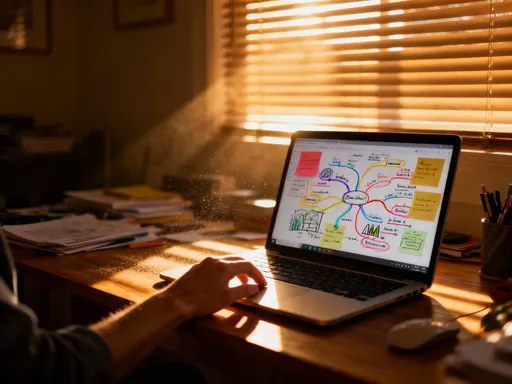
That’s when it hit me: an online whiteboard isn’t just a work tool. It’s a digital canvas for your imagination. No paper to run out of. No markers that dry up. No fear of “ruining” a page. You can scribble, erase, move things around, change colors — all without judgment. And the best part? It’s always there. Open it on your phone while waiting for the bus. Add a note on your tablet during naptime. Come back to it at midnight when inspiration strikes. It doesn’t care if you’re in pajamas or if the house is a mess. It just holds space for you.
I started using one to plan a small herb garden. I didn’t have a yard — just a balcony — but I wanted to grow something. I created zones: one for plant ideas, one for layout sketches, one for a simple calendar of when to water. I added photos I’d saved from Pinterest, wrote little notes like “Try rosemary first — smells amazing,” and even pasted a voice memo of my mom telling me how she grew basil as a girl. It wasn’t fancy. But it was mine. And seeing it grow — the board, not just the garden — made me feel capable in a way I hadn’t in years.
The beauty of the online whiteboard is that it meets you where you are. You don’t need to be tech-savvy. You don’t need design skills. You just need curiosity. And once you start, you’ll find yourself returning — not because you have to, but because it feels good. Like coming home to a room that’s always ready for you, no matter how long you’ve been away.
Building Your Hobby Hub: A Step-by-Step Guide to Getting Started
Starting can feel overwhelming, especially if you’ve been “not doing” something for a long time. But here’s the secret: you don’t need to build a masterpiece. You just need to begin. Think of your online whiteboard as a blank page in a notebook — only better, because you can’t tear it or lose it. Here’s how I set mine up, step by gentle step.
First, pick a platform. There are several free options — ones with simple drag-and-drop features, easy text boxes, and basic shapes. You don’t need anything fancy. Look for one that feels intuitive, like writing on a real board. Once you’ve chosen, create a new board and give it a name that makes you smile — “My Little World,” “Dream Garden,” “Future Baker,” or even “Just for Me.” That name matters. It’s your reminder that this space belongs to you.
Next, divide your board into zones. I like to start with three: “Idea Dump,” “Inspiration Wall,” and “Progress Tracker.” The Idea Dump is where you throw everything — random thoughts, half-baked dreams, things you saw on a walk. No filtering. Just let it flow. The Inspiration Wall is for images, quotes, or colors that spark joy. Maybe it’s a photo of a cozy reading nook, a recipe you want to try, or a painting style you love. The Progress Tracker is the gentlest part — a place to celebrate small wins. Did you spend five minutes sketching? Add a sticky note that says “Day 1!” Not because you’re keeping score, but because you’re honoring your effort.
Start small. One color. One sticky note. One idea. You don’t need to fill the board. In fact, leave space. Let it grow slowly, like a plant. The goal isn’t completion — it’s connection. And when you open your board and see that one little note you left yesterday, you’ll be more likely to add another today. Consistency, not intensity, rebuilds creative confidence.
How a Digital Canvas Gave Me Back My Time and Focus
I used to think I needed more time. But what I really needed was focus. My mind was scattered — lists in my phone, notes on napkins, ideas lost in voice memos. I felt busy but unproductive. Then I started using my whiteboard for a simple daily check-in: ten minutes, every morning with my coffee. Just me, my board, and a quiet moment.
At first, I didn’t know what to write. So I started with one question: “What do I want to create today?” Not “What do I have to do?” — but “What do I want to create?” That small shift changed everything. One day, it was a sketch of a flower I’d seen. Another day, it was a plan for a three-course meal I wanted to cook for my family. I didn’t always follow through — and that was okay. But just naming it, seeing it on the board, made it feel real.
The visual layout helped me see connections. I noticed that whenever I added a photo of a cozy kitchen, I felt drawn to baking. When I pinned a quote about slow living, I wanted to journal. The board didn’t force me — it reflected me. And in that reflection, I found clarity. I wasn’t lazy. I was distracted. And this tool helped me gather my thoughts, one sticky note at a time.
My favorite moment came when I planned a “Soup Sunday” series — one homemade soup every weekend for a month. I mapped it out on my board: ingredients, recipes, even a little calendar with checkmarks. I shared it with my family, and they got excited. “Can we do tomato basil next?” my son asked. That simple project — born from a digital doodle — became a family ritual. It wasn’t about the soup. It was about showing up, creating something with love, and sharing it. And I had the board to thank for helping me begin.
Beyond the Board: Turning Ideas Into Real-Life Joy
The online whiteboard isn’t the end goal — it’s the starting line. Its real power is in helping you move from thinking to doing. It’s the bridge between “I wish” and “I did.” And that transition — from screen to life — is where the magic happens.
I printed my herb garden layout and taped it to my fridge. I used my recipe map to shop for ingredients. I turned my quilt sketch into a real project — clumsy stitches and all — because I’d already worked out the design on the board. Each time, the digital space gave me the confidence to take the next step. It was like having a quiet coach in my pocket, reminding me, “You’ve already figured this out. Just begin.”
One of my favorite projects started as a single sticky note: “Learn calligraphy.” I added a photo of beautiful lettering, then a list of supplies, then a practice schedule. I didn’t become a master — but I learned enough to write my daughter’s birthday card by hand. She kept it on her dresser for weeks. “Mom, your writing looks like art,” she said. That moment — small, quiet, full of love — was worth every minute.
The board didn’t do the work for me. But it held my dreams until I was ready to act on them. It gave me permission to start before I felt ready. And in doing so, it helped me build not just projects, but self-trust. I began to believe that I could follow through — not perfectly, but genuinely. And that belief spilled into other areas of my life. I started saying “yes” to things I’d once avoided. Not because I had more time, but because I had more confidence.
Your Creativity, Your Rules: The Quiet Power of Doing It Your Way
Here’s what I’ve learned: creativity isn’t about talent. It’s about showing up. It’s about giving yourself the space to explore, to make mistakes, to change your mind. An online whiteboard didn’t give me more hours in the day — but it gave me back my sense of self. It became a daily act of self-respect, a quiet way of saying, “I matter. My dreams matter. My time matters.”
You don’t need a studio. You don’t need expensive tools. You don’t need permission. You just need a place to begin — and the courage to start small. The board isn’t perfect. Neither are your ideas. But they’re yours. And that’s enough.
So if you’ve been waiting — for time, for energy, for the stars to align — I’m here to tell you: begin anyway. Open a blank board. Write one word. Draw one line. Name one dream. Let it live there, safe and unjudged, until you’re ready to bring it into the world. Because your creativity isn’t a luxury. It’s a lifeline. And every time you choose to honor it, you’re not just making art — you’re reclaiming your joy, one free-spirited doodle at a time.