Tired of Forgetting What You Learned? Apps That Organize Your Curiosity for Good
We’ve all been there—saving articles, jotting down notes, or pausing a video to remember a great idea, only to lose it days later. You’re not disorganized; your system just isn’t built for how your mind works. What if the things you love to learn could stick without the stress? The right app doesn’t just store information—it helps your brain keep it. Let’s talk about how interest-based learning tools can turn scattered moments into lasting knowledge, simply by working *with* your habits, not against them.
The Messy Truth Behind Our Learning Habits
Imagine this: you’re curled up on the couch after the kids are in bed, scrolling through something that finally catches your attention—a deep dive into how bees communicate, or a short video on how sourdough starter works. You think, This is fascinating. I want to remember this. So you save it. Maybe you even scribble a note in your phone or add it to a folder labeled 'Interesting Stuff.' A week later, you can’t find it. Worse—you don’t even remember what you loved about it in the first place.
It’s not your fault. That spark of curiosity? It’s real. Your intention to learn? Genuine. But the way we’ve been taught to save information doesn’t match how we actually live. Think about it: we save links like we’re hoarding digital coupons, hoping we’ll use them 'someday.' But that someday rarely comes. And when it does, we’re faced with a mess—endless tabs, forgotten bookmarks, voice memos buried under grocery lists.
The problem isn’t that we’re lazy or distracted. It’s that our tools don’t support the way curiosity flows in real life. Learning doesn’t happen in neat folders. It happens in moments—while waiting in the carpool line, folding laundry, or lying awake at 2 a.m. And when those moments aren’t captured in a way that makes sense later, the excitement fades. The motivation drains. And that beautiful idea? It slips away, like sand through your fingers.
How Curiosity Gets Lost in the Chaos
Curiosity is fragile. It blooms in unexpected places—a podcast during a walk, a documentary before bedtime, a conversation with a neighbor. But it doesn’t survive chaos. When we try to learn something new—say, how to grow herbs on the windowsill or understand what your teenager means by 'ASMR'—we’re not just fighting for time. We’re fighting for mental space.
Our brains weren’t built to juggle endless streams of information. Every time we open a new tab, save a recipe, or bookmark a DIY repair video, we add to what psychologists call 'cognitive load.' It’s like carrying groceries in a paper bag with too many holes. Eventually, something falls out. And the things that fall first? The ones that aren’t urgent. The ones we ‘want’ to learn, not ‘need.’
That’s why so many of us feel guilty about our unread articles or half-watched tutorials. We tell ourselves we should be learning more, doing more. But the truth is, we’re already doing a lot. The issue isn’t effort—it’s structure. Without a system that respects how our attention works, even the most exciting topics become another item on a never-ending to-do list.
And here’s the quiet tragedy: when learning feels like work, we stop enjoying it. That joy of discovery—the 'aha!' moment when something clicks—gets buried under the pressure to 'keep up.' We start to believe we’re not the type of person who learns well. But that’s not true. You’re someone who learns beautifully—when the conditions are right.
The Hidden Power of Habit-Driven Learning Apps
What if your phone could help you learn without adding more stress? Not with flashy quizzes or rigid schedules, but by quietly supporting the way you already live? That’s where habit-driven learning apps come in. These aren’t the kind of tools that demand hours of your time or make you feel behind. They’re more like thoughtful helpers—always there, never pushy.
Think of it this way: you already use your phone to capture ideas. Maybe you take a photo of a garden tip your sister sent, or you voice-record a thought while driving. A good learning app doesn’t replace those habits. It enhances them. It takes the things you’re already doing and gently organizes them so they’re actually useful later.
For example, some apps let you save articles, videos, or notes with just one tap, then automatically group them by topic—like 'baking,' 'houseplants,' or 'parenting teens.' No manual filing. No decision fatigue. It’s like having a notebook that sorts itself while you sleep. And because it works with your natural rhythm, you’re more likely to keep using it.
The real magic isn’t in the technology—it’s in the psychology. These apps reduce friction. They make it easier to say 'yes' to learning, even when you’re tired or busy. They don’t ask you to change who you are. They just help you keep the things you care about, so you can come back to them when the time is right.
Organizing Knowledge That Feels Effortless
Let’s say you’re trying to learn how to care for your new fiddle-leaf fig. You’ve read a blog post, watched a YouTube clip, and saved a tip from a friend. Without a system, those pieces live in different places—your browser, your camera roll, your text messages. To make sense of them, you’d have to search through everything. By then, the plant might already be drooping.
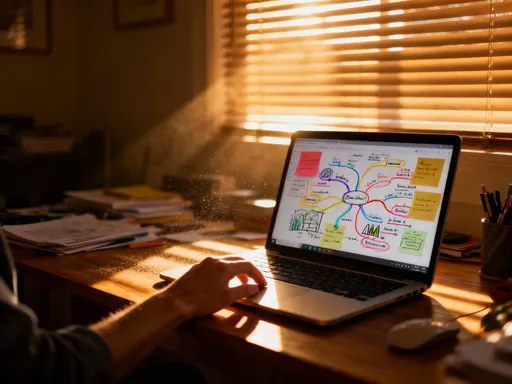
But what if all those pieces could live together—in one place, organized by *you*? That’s what modern learning apps do. You save each piece of information, and the app uses smart tagging to group them. You might label one note 'watering,' another 'light needs,' and another 'pests.' Over time, the app starts to recognize patterns. It might even suggest, 'You saved three tips about brown leaves—want to create a mini-guide on that?'
Some apps go further by creating visual timelines. You can see how your knowledge grows over weeks or months. One user, a mom of two who started learning about composting, said it felt like 'watching her curiosity grow like a garden.' She could look back and see how she’d gone from 'What is compost?' to confidently teaching her kids how to layer kitchen scraps.
This isn’t just about storage. It’s about meaning. When information is organized in a way that reflects your journey, it becomes more than data—it becomes part of your story. And when you revisit it, it doesn’t feel like studying. It feels like reconnecting with a part of yourself.
Building Learning Into Your Daily Rhythm
One of the biggest myths about learning is that it requires big blocks of time. We think we need an hour of quiet, a perfect notebook, and total focus. But real life doesn’t work that way. The most sustainable learning happens in small, consistent moments—like sipping tea while listening to a two-minute audio recap, or reviewing a saved tip while waiting for the microwave.
This is where smart apps shine. They don’t ask for hours. They ask for 60 seconds. Some send gentle reminders based on your habits: 'You read about knitting last week—want to see a quick summary?' Others use context-aware prompts: 'You’re at the grocery store—here’s the recipe you saved for lentil soup.'
It’s not about forcing yourself to learn. It’s about making it easy to stay connected to what matters. One woman told me she started using an app to learn Italian phrases for an upcoming trip. She didn’t have time for lessons, but she could listen to a short audio clip while folding laundry. 'It felt like I was cheating,' she laughed. 'But by the time I got there, I could order coffee and ask for directions. It wasn’t fluency—but it was confidence.'
That’s the goal: not perfection, but progress. These tools help you build learning into the cracks of your day, so it doesn’t feel like one more thing on your plate. It becomes part of how you live.
From Knowledge Collector to Confident Learner
There’s a quiet shift that happens when your learning starts to stick. It’s not dramatic. You don’t wake up one day fluent in three languages or able to fix your car engine. But you do start to notice small wins. You finally try that recipe you saved six weeks ago—and it turns out great. You explain a science fact to your child and see their eyes light up. You realize you remembered how to prune your rose bushes, just in time for spring.
These moments build something deeper than knowledge: confidence. You begin to trust that you *can* learn. That you *will* remember. That you’re not just collecting information—you’re becoming someone who uses it. And that changes how you see yourself.
One user, a grandmother who started learning about birdwatching, told me, 'I used to think I was too old to pick up new hobbies. But now I can name ten birds in my backyard. My grandkids call me the Bird Lady. It’s silly, but it makes me feel alive.'
That’s the real transformation. It’s not just about what you know. It’s about how you feel when you know it. When your system works for you, learning stops being a chore and starts being a source of joy, pride, and connection. You’re not just storing facts. You’re growing as a person.
A Smarter, Calmer Way to Grow
In a world that never slows down, it’s easy to feel behind—like everyone else is learning, growing, improving, while you’re just keeping up. But real growth isn’t about speed. It’s about sustainability. It’s about creating a life where curiosity isn’t crushed by chaos, but nurtured by care.
The right tools don’t make you work harder. They help you work *with* yourself. They honor your time, your energy, and your unique way of thinking. When your learning system runs quietly in the background—organizing, reminding, connecting—you’re free to focus on what really matters: living with intention, sharing with love, and growing at your own pace.
Imagine a life where you never lose the things you love to learn. Where every spark of curiosity has a place to land, grow, and return to you when you need it most. That’s not magic. It’s design. And it’s available to anyone who wants to stop forgetting and start remembering—not just facts, but the joy of becoming who you’re meant to be.
You’re not too busy to learn. You’re just using tools that weren’t made for your life. It’s time to find ones that are. Because you deserve a mind that feels clear, capable, and full of wonder. And that starts with honoring your curiosity—one saved thought, one small win, one gentle step at a time.