Overwhelmed juggling work and aging parents? This tech setup changed our family’s life
You’re not alone if you’ve ever felt torn between a busy job and caring for an aging parent. I was, too—until we found simple, everyday tech that quietly transformed how we manage time, energy, and love. No flashy gadgets, just practical tools that made life smoother. It’s not about replacing care—it’s about making it easier, smarter, and more connected. Let me share what actually worked for us. What started as a few small changes in my mom’s home became a lifeline for our whole family. I no longer lie awake wondering if she’s okay. I can focus at work without guilt. And most importantly, our relationship has deepened because we’re not just talking about doctor appointments and pills—we’re laughing, sharing stories, and making memories again. This isn’t about high-tech perfection. It’s about real life, real love, and finding small ways to do a lot with less stress.
The Breaking Point: When Caregiving Nearly Broke Our Routine
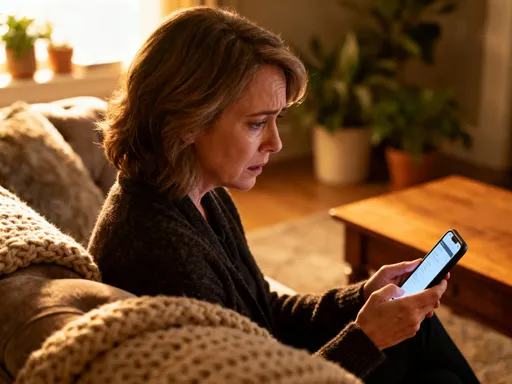
There was a time when I felt like I was failing at everything. I had a full-time job that demanded my focus, two kids at home who needed me, and a mom living alone just 20 minutes away who I worried about every single day. It wasn’t that she was critically ill—she was managing well enough—but every morning, I’d start my day with a call: “Mom, are you up? Did you eat? Did you take your pills?” And if she didn’t answer right away, my heart would race. Was she okay? Had she fallen? Was she just in the bathroom, or was something worse happening?
I’d rush over during lunch breaks just to check, only to find her perfectly fine, sipping tea and watching the news. But the guilt of leaving work early gnawed at me. My boss noticed. My focus slipped. And still, I couldn’t shake the anxiety. One afternoon, I missed her call because I was in a meeting. She’d tripped on the rug—nothing serious, just a scare—but by the time I called back, she’d already pulled herself up and was embarrassed to mention it. That moment hit me hard. I realized I couldn’t keep living like this—constantly on edge, always reacting, never truly present in any part of my life. Something had to change, not just for her safety, but for my own well-being.
What I needed wasn’t more time—because let’s be honest, none of us have extra hours in the day. What I needed was peace of mind. I wanted to know she was okay without having to call, without driving over, without the constant mental load. I didn’t want to become her full-time caregiver, and I didn’t want her to feel like a burden. We both deserved better. That’s when I started looking into simple, non-intrusive technology—not to monitor her like a project, but to support her independence while giving me a little breathing room. And honestly? It was the best decision we ever made.
The First Step: Smart Home Sensors That Watch Without Watching
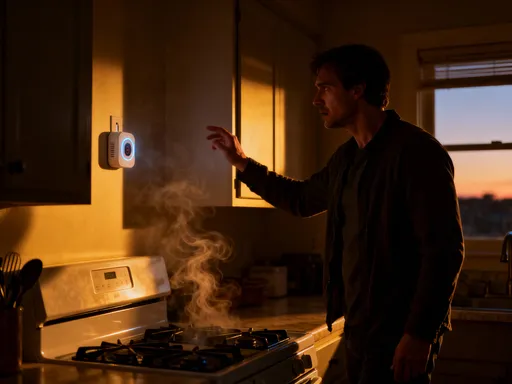
The first thing we tried was motion sensors—not cameras, not anything invasive, just small, discreet devices that detect movement in key areas of her home. We placed one in the kitchen, another near the bathroom, and one by her bedroom door. These aren’t surveillance tools. They don’t record video or listen in. They simply send a quiet alert to my phone if there’s no movement in the kitchen by 9 a.m., for example. That doesn’t mean she’s in danger—it just means it’s time for me to check in.
At first, Mom was hesitant. “You’re going to watch me like Big Brother?” she joked. I laughed, but I understood her concern. So we talked about it openly. I explained that this wasn’t about control—it was about care. If she’s up, moving, making coffee, the system sees that and I don’t get an alert. But if something’s off—if she sleeps in unusually late or doesn’t go to the kitchen at all—that’s when I get a gentle notification. It’s not about suspicion. It’s about reassurance. And after a few weeks, she admitted she liked knowing I’d notice if something was wrong. “It’s like having you nearby, even when you’re not,” she said. And that meant everything.
Setting them up was easier than I expected. Most of these sensors are battery-powered and stick to the wall with adhesive. No wiring, no complicated setup. We used a system that connects to Wi-Fi and sends alerts through a simple app. You can customize what counts as “normal”—like adjusting the morning check-in time if she’s sleeping in. And the best part? It’s not just me who gets alerts. My sister and I share access, so we can take turns checking in. It’s not about doubling the worry—it’s about sharing the care. We don’t bombard Mom with calls every time there’s a delay. Sometimes, I just send a text: “Hey, just checking in—everything okay?” And more often than not, she replies with a smiley face and a joke about oversleeping.
These little sensors didn’t change her routine. They didn’t require her to do anything differently. But they gave me something priceless: confidence. I no longer spend my mornings distracted, wondering if she’s up. I know—most days, within minutes—whether she’s moving through her morning like usual. And on the rare days when she’s not, I can act early, before a small issue becomes a bigger problem. It’s not about replacing human connection. It’s about making space for better, more meaningful connection.
Voice Assistants: More Than Just Playing Music
Next, we added a smart speaker to her living room. You’ve probably seen them—small devices like Amazon Echo or Google Nest. At first, Mom saw it as a novelty. “So it can play old songs?” she asked. I nodded. “Yes, but it can do so much more.” I showed her how she could say, “Hey Google, call my daughter,” and my phone would ring—no fumbling with her phone, no squinting at tiny buttons. That alone was a game-changer. She has mild arthritis, and her phone’s small screen had become frustrating. Now, she can stay in touch with a simple voice command.
But the real magic happened with routines. We set up a morning alarm that not only wakes her up but also reads the day’s weather, the news headlines, and reminds her to take her medications. “Remember, you have your blood pressure pill and the blue one at 8 a.m.,” the voice gently says. She laughs at how bossy it sounds, but she follows it. And when she forgets, she can just ask, “What meds do I need today?” and the assistant lists them. No more sticky notes on the fridge. No more me calling to remind her. She feels more in control, and I feel more at ease.
There was one evening when she felt confused—she couldn’t remember if she’d taken her pill. In the past, she might have waited until I called the next day. But this time, she asked the speaker, “Did I take my blood pressure medicine?” It didn’t know for sure, but it reminded her of the usual schedule and suggested she check the pill organizer. That small nudge helped her think clearly. Later, she told me, “It was like having someone calm and patient right there with me.” That’s when I realized this wasn’t just a gadget. It was a companion.
And it’s not just about health. She uses it to play her favorite hymns, set timers for baking, and even get recipe ideas. “How do I make apple crisp again?” she asked one Sunday. The speaker walked her through it step by step. She baked it, and when I came over, she said proudly, “I did it all by myself.” That moment wasn’t about the dessert—it was about her independence, her confidence, her joy. The voice assistant didn’t replace me. It gave her the tools to live fully, even as she aged. And that’s the kind of tech I can truly believe in.
Remote Health Check-Ins Without the Hospital Trips
One of the biggest sources of stress for families is health monitoring. We’d always relied on Mom writing down her blood pressure and weight, but the logs were inconsistent. Sometimes she forgot. Sometimes the numbers were smudged. And when I’d ask, “What was your reading this week?” she’d shrug. “I think it was normal.” That uncertainty was exhausting. I didn’t want to nag, but I didn’t want to miss something important either.
Then we switched to a connected blood pressure cuff—a simple device that looks just like the ones she already used, but it syncs automatically to an app on my phone. Every time she takes a reading, it’s saved and time-stamped. I can see trends over time, not just one-off numbers. Same with a smart scale—it tracks her weight daily and sends the data securely. No more guessing. No more lost notebooks. Just clear, consistent information that helps us both stay informed.
Here’s the best part: we shared access with her doctor. During her last check-up, the nurse pulled up a graph of her blood pressure over the past month. “This is great,” she said. “We can see it’s been stable, no spikes.” That peace of mind is priceless. And when there *was* a slight increase, we caught it early—before it became a crisis. Her doctor adjusted her medication slightly, and within weeks, it was back on track. No emergency room. No panic. Just quiet, consistent care.
These tools don’t replace doctor visits. But they make them better. Appointments are more productive because we have real data to discuss. And between visits, I’m not left in the dark. If I see a sudden drop in weight or a pattern of high readings, I can gently suggest a call to the doctor—not out of fear, but out of informed care. It’s not about playing doctor. It’s about being prepared. And for Mom, it’s less pressure. She doesn’t have to remember everything. The devices do it for her. She says, “It’s like having a little nurse in the house, watching over me without hovering.” And honestly? That’s exactly what it feels like.
Shared Calendars and Task Apps: Keeping Everyone in Sync
Family caregiving isn’t just emotional—it’s logistical. Who’s bringing groceries? Who’s driving her to the cardiologist? Who’s checking the mail when she’s away? In the beginning, we used texts and phone calls, but things fell through the cracks. My sister thought I was handling the pharmacy run. I thought she was calling the doctor. Miscommunications led to stress, and stress led to tension. We weren’t angry at each other—we were just overwhelmed.
So we created a shared family calendar using Google Calendar. Simple, familiar, free. We color-coded everything: blue for doctor appointments, green for grocery drops, yellow for social visits. Everyone—me, my sister, my cousin who lives nearby—has access. When someone adds an event, we all get a notification. No more double-booking. No more guessing. And Mom has her own view—she sees when we’re coming, which gives her something to look forward to.
We also started using a basic task app—Trello—to manage recurring chores. It’s like a digital to-do board. One list is “This Week’s Tasks.” Cards include “Order prescription refills,” “Check smoke detector batteries,” “Call insurance about claim.” We assign each task to a person and set due dates. When it’s done, we move it to “Completed.” It sounds small, but it’s transformed how we work together. There’s no guilt, no passive-aggressive texts. Just clarity. And when someone’s busy, they can reassign a task with a quick message. It’s not about perfection—it’s about teamwork.
The emotional relief has been huge. We’re not keeping mental lists anymore. We’re not worried we’ve forgotten something important. And Mom feels more involved, not less. She can see who’s coming and when, and she often says, “Oh, I’ll bake cookies for when Sarah visits!” It gives her a sense of routine and connection. This isn’t about high-tech coordination. It’s about reducing the invisible load—the mental clutter that so often wears us down. When the logistics are simple, we have more room for love.
Automating the Little Things That Add Up
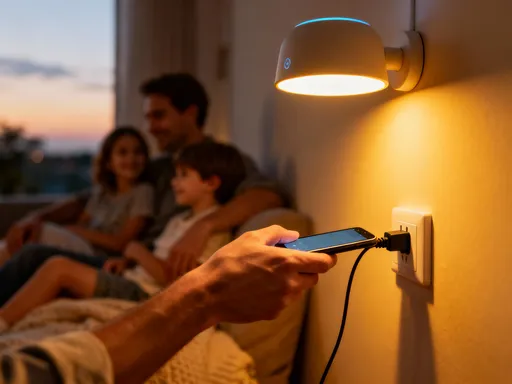
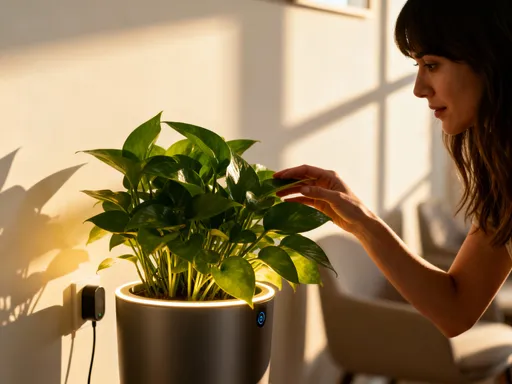
Some of the most powerful tech changes are the quietest ones—the small automations that prevent daily worries. One winter, I kept calling Mom at dusk: “Did you turn on the lights? It’s getting dark.” She’d forget, especially on cloudy days. I worried about her tripping. So we added smart plugs and smart bulbs. We connected a lamp in her living room to a plug that turns on at sunset. Every evening, like clockwork, the light comes on. No effort. No reminder needed.
We also set up a routine where, if she says, “Goodnight,” the lights turn off, the thermostat adjusts, and the front porch light turns on. It’s cozy, automatic, and safe. And when she’s away visiting family, we use a “vacation mode” that randomly turns lights on and off to make the house look lived-in. It’s not just about security—it’s about peace of mind for all of us.
Another small win: her coffee maker is now on a smart plug. It starts brewing at 7:30 a.m., just as she’s waking up. She loves the smell, and it encourages her to get up and moving. “It’s like the house is saying good morning to me,” she says. These aren’t life-changing gadgets on their own. But together, they create a home that supports her—gently, quietly, consistently. They reduce the little stresses that, over time, can wear anyone down. And for me, they mean one less thing to worry about. I don’t have to remember to remind her. The system does it for us.
What I’ve learned is that technology doesn’t have to be complex to be meaningful. It’s not about having the latest model or every feature. It’s about solving real problems in real life. A lamp turning on at dusk might seem small, but it’s part of a bigger picture: a life where she feels safe, and I feel connected—without constant effort.
How This Changed More Than Just Care—It Changed Us
Looking back, I realize this journey wasn’t just about keeping Mom safe. It was about reclaiming our lives. I’m more focused at work because I’m not distracted by worry. I’m more present with my kids because I’m not mentally elsewhere. And my relationship with Mom has deepened in ways I didn’t expect. We talk about more than just health and chores. We share stories. We laugh. We plan little outings. The space that caregiving once filled with stress is now filled with connection.
These tools didn’t replace love. They made room for more of it. They gave us time, energy, and emotional breathing room. I’m not a tech expert. I don’t love gadgets for their own sake. But I love what they’ve done for our family. They’ve helped Mom stay independent longer. They’ve helped me stay sane. And they’ve helped us all feel more connected, even when we’re apart.
If you’re feeling overwhelmed, I want you to know: you don’t have to do it all. You don’t have to be on call 24/7. You don’t have to choose between your job and your parent. Start small. Try one thing—a motion sensor, a shared calendar, a voice assistant. See how it feels. Let it work for your life, not the other way around. Tech isn’t the answer to everything, but it can be a quiet, powerful ally in the messy, beautiful work of caring for someone you love. And sometimes, the smallest changes make the biggest difference.