Worried about who’s at your door when you’re not home? This system gives you peace of mind
You’re in the middle of a work call when the doorbell rings. No idea who’s there—delivery, stranger, or someone you’ve been waiting for? It’s stressful not knowing, especially with kids or elderly parents at home. I used to dread missed calls or unexpected visitors. Then I found a simple tech solution that changed everything. Not only do I know who’s arriving, but my family feels safer too. Let me share how this small change brought real peace of mind.
The Moment I Realized My Home Wasn’t as Secure as I Thought
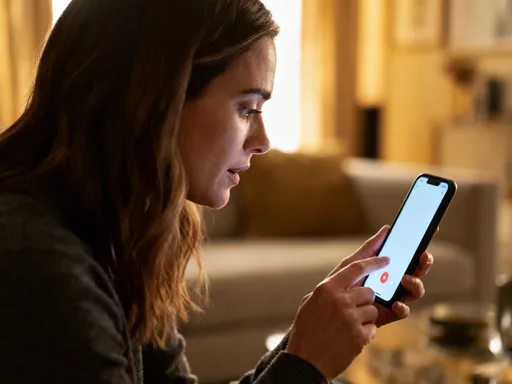
It was a regular Tuesday. I was helping my son with homework when a neighbor texted: “Someone’s at your front door. Been standing there a few minutes.” My stomach dropped. I wasn’t expecting anyone. My husband was traveling, and our babysitter had left hours ago. I grabbed my phone, opened the camera app I’d recently installed—just in time to see a man in a dark jacket peering through the sidelight window. He wasn’t holding a package. He didn’t ring again. But he lingered, walking slowly around the porch, checking the garage handle. Then he left.
I called the police. They came, took notes, but honestly, there wasn’t much they could do. No crime had been committed—yet. But that didn’t erase the feeling of violation. Someone had been at my door, looking in, while my child was upstairs. I had no idea who it was, why they were there, or if they’d come back. That night, I kept checking the locks. I woke up twice to imagined noises. I realized something important: I thought my home was secure because I had deadbolts and a neighborhood watch sign. But security isn’t just about locks. It’s about awareness. It’s knowing what’s happening when you’re not there. And that’s something a traditional doorbell can’t give you.
For weeks after, I felt on edge every time I left the house. What if someone came while I was at the grocery store? While I was at yoga? While my mom was house-sitting? I didn’t want to live in fear, but I also didn’t want to be ignorant. I needed a way to see, to know, to decide. That’s when I started researching real visitor management systems—not just cameras, but tools that let me manage who comes to my door, even when I’m miles away.
From Confusion to Clarity: What a Visitor Management System Actually Is
At first, I thought I just needed a better doorbell camera. You know the kind—wireless, with motion alerts and video. I’d seen ads for them everywhere. But as I dug deeper, I realized most of them only solve half the problem. They show you who’s there, but they don’t help you manage the visit. They don’t remember who came yesterday or let you set rules for regular guests. That’s where a true visitor management system comes in.
Think of it like this: a regular doorbell camera is like a security guard who only watches. A visitor management system is like a smart receptionist who watches, remembers, and helps you decide. It logs every person who comes to your door, stores the video, and sends you a real-time alert. But more than that, it lets you interact. You can see the person, speak to them through your phone, and even unlock the door remotely—if you choose to. You can set permissions for people you trust, like your cleaning service or dog walker, so they can enter without needing a code every time.
And here’s the part that changed everything for me: it learns. If your daughter’s best friend comes over every Thursday after school, the system starts recognizing her face. You get an alert that says, “Emma is at the door,” not just “Motion detected.” You can pre-approve her, so she can walk in without ringing. No more missed pickups. No more frantic texts asking, “Are you home yet?” It’s not magic—it’s smart technology working quietly in the background, making life easier.
I remember the first time I used it while at a school meeting. My son’s teacher needed to drop off a forgotten backpack. I got a notification: “Visitor at the door—would you like to see?” I tapped, saw her smiling in the rain, said, “Hi, Ms. Thompson! Come on in, the door’s unlocked,” and buzzed her in. My son didn’t even miss a beat. That moment hit me: I was present, even when I wasn’t physically there. And that’s the power of a real system—not just watching, but participating.
How It Quietly Protects the People You Love Most
My mom stayed with us for three months last year. She’s sharp as a tack, but she’s cautious about answering the door. She grew up in a time when “stranger danger” meant never opening the door unless you knew who it was. Now, with so many delivery people and service workers, that’s nearly impossible. She’d hear the bell, peek through the curtain, and often just wait for me to get home to let someone in. That meant missed packages, frustrated repairmen, and her feeling anxious.
Once, the HVAC technician came while I was at a doctor’s appointment. My mom didn’t answer. He left a note, and we had to reschedule—costing us an extra service fee. Another time, a neighbor dropped off soup when she heard Mom was under the weather. She waited ten minutes at the door, then left it on the porch. Mom didn’t even know until hours later.
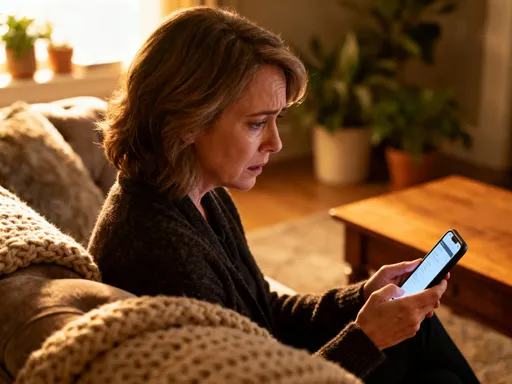
When I installed the visitor management system, I showed her how it worked. “Now,” I said, “when the bell rings, I’ll get a message. I can see who it is and tell you if it’s okay.” I set it up so she gets a voice alert: “Your daughter has approved the visitor.” The first time it happened—our mail carrier with a package—she actually laughed. “I feel like I have a bodyguard,” she said.
But it’s not just about convenience. It’s about dignity. She doesn’t have to feel afraid or helpless. She doesn’t have to make a big decision alone. And I don’t have to worry that she’s stressed or that something important was missed. For my kids, it’s the same. When they’re home alone after school, they know the rule: don’t open the door. But now, I can open it for them. They stay safe, and I stay in control. That’s not just technology. That’s peace.
No More Guessing Games: Making Decisions Easier When You’re Busy
Let’s be honest—our brains are full. We’re juggling work deadlines, school forms, grocery lists, and family schedules. The last thing we need is another decision: “Should I let this person in?” “Is this delivery safe?” “What if it’s a scammer?” But those little choices add up. They create mental clutter. And when you’re already overwhelmed, even small decisions can feel heavy.
The visitor management system cuts through that noise. When someone arrives, I get a clear, simple alert: a photo, a name (if recognized), and a choice. “Let them in?” “Send a message?” “Ignore?” It’s like having a filter for real life. I don’t have to guess. I don’t have to panic. I can take ten seconds, make a calm choice, and move on.
One afternoon, I was in a budget meeting when I got a notification: “Your daughter’s friend and her mom are at the door—let them in?” I saw the two of them waving, backpacks in hand. I tapped “Approve,” and the door unlocked. Later, my daughter said, “Thanks for letting us in! We didn’t have to sit on the porch.” That’s the kind of moment that seems small—but it’s everything. No miscommunication. No waiting. No stress.
And for deliveries? Huge difference. I used to worry about packages being stolen. Now, I can see when the delivery happens. If it’s raining, I can remotely open the garage so the box doesn’t get soaked. If it’s a stranger, I can tell them to leave it by the side door. I’ve even used it to guide delivery people to the backyard for bulky items. It’s not just about security—it’s about smooth, stress-free living. The system doesn’t make decisions for me. It just gives me the information I need to make them easily.
Setting It Up Was Simpler Than I Expected
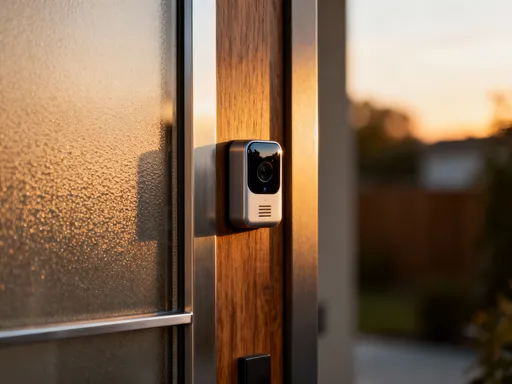
I’ll admit—I was nervous about installation. I’m not tech-savvy. I once spent an hour trying to connect a Bluetooth speaker. So when I unboxed the system, I braced for wires, drilling, and a call to my brother-in-law. But it was shockingly simple. The unit mounts on your existing doorbell spot—no rewiring needed. It connects to your Wi-Fi, just like a smart speaker or TV. I used the app to scan the QR code, followed the prompts, and within 15 minutes, it was live.
The app is clean and intuitive. It walks you through everything: naming your device, setting up notifications, choosing who gets alerts. I added my husband and my mom as secondary users, so they can see alerts too. You can customize motion zones—so the camera doesn’t ping you every time a squirrel runs by. I set mine to focus on the walkway and porch, not the street.
Privacy was a concern, so I made sure to review the settings. The system only records when motion is detected or the bell is rung—no constant surveillance. Video is encrypted and stored in the cloud, with options to save clips or auto-delete after 30 days. I also set up two-factor authentication, so no one can access our feed without approval.
Placement matters. I mounted it at eye level, facing the path. That way, it captures faces clearly, not just the top of someone’s head. And I made sure the Wi-Fi signal was strong—no dropped connections. The whole process took less time than folding a load of laundry. And the best part? I did it alone. No electrician. No frustration. Just a few taps and a little confidence.
Real-Life Moments That Showed Me the Difference
It’s one thing to read about a product. It’s another to see it work when it matters. The first real test came two weeks after setup. I got an alert at 10 a.m.: “Motion at front door.” I opened the app and saw a man in a delivery uniform—but he wasn’t from UPS or FedEx. He walked up, looked around, set a box down, then picked it up again and walked toward my neighbor’s house. Wait—what? I watched him do the same thing at the next door. Then he left.
I checked the video later. He’d taken a package from my neighbor’s porch and was trying to re-rout it—package theft. I shared the clip with our neighborhood group and the police. My neighbor got her package back. Since then, I’ve seen the system flag suspicious behavior multiple times. It doesn’t stop crime on its own, but it gives you proof, and that’s powerful.
On the flip side, it’s made joyful moments smoother too. My sister surprised us with a visit last month. I wasn’t home, but I saw her through the camera—luggage in tow, smiling. I buzzed her in, turned on the lights remotely, and texted my kids: “Auntie is inside—go say hi!” The look on their faces when they saw her was priceless. No missed surprise. No confusion. Just connection.
Another time, our dog walker forgot her key. In the past, I’d have had to rush home or ask a neighbor. This time, I just approved her through the app. She walked in, did her route, and left without any drama. These aren’t headline-making events. They’re everyday wins. But they add up to a life that feels calmer, more in control, more connected.
More Than Security: How It Brought Calm to Our Household
I used to think of home security as something reactive—alarms, locks, cameras for when something goes wrong. But this system has shown me that true security is proactive. It’s about reducing uncertainty. It’s about creating a home where everyone feels safe, seen, and supported.
My kids don’t yell “Who is it?” anymore. They know I’m watching. My husband doesn’t stress about whether the lawn service got in. I don’t lie awake wondering if the overnight delivery arrived. We communicate better because we’re not playing phone tag about who’s coming and going. We’re more present because we’re less distracted by worry.
And honestly? It’s made us kinder. When I see a delivery person in the rain, I can buzz them in to leave the package in the garage. When a neighbor drops off a casserole, I can thank them through the speaker. It’s turned our front door into a point of connection, not just a barrier.
This isn’t about living in fear. It’s about living with confidence. It’s knowing that even when life pulls you in ten directions, your home can still feel secure, warm, and welcoming. The system doesn’t replace human care—it enhances it. It gives you the space to be the mom, the daughter, the wife, the friend you want to be, without the background hum of anxiety.
A Small Change That Supports a More Confident, Connected Life
Technology gets a bad rap sometimes. We hear about screen time, data breaches, devices that break too soon. But when it works the way it should, tech isn’t cold or complicated. It’s helpful. It’s quiet. It’s there when you need it, then steps back.
This visitor management system didn’t just solve a problem. It changed the rhythm of our days. It gave me back mental space. It gave my family a sense of safety. It turned my home into a smarter, kinder, more responsive place.
If you’ve ever stood at the door wondering who’s on the other side, if you’ve ever worried about your parents answering, if you’ve ever missed a delivery or stressed over a stranger at your step—this might be the upgrade you didn’t know you needed. It’s not flashy. It doesn’t demand attention. But every time I get that quiet alert, see a familiar face, and tap “Welcome,” I feel it: peace. And really, isn’t that what home is supposed to be?