Stop saying ‘I’ll find parking’ again: How a smart finder finally tamed my morning chaos
Mornings used to start with stress—racing the clock, circling blocks, heart pounding as I hunted for a parking spot. I’d tell myself, “I’ll find one,” but it never got easier. Then I tried a parking spot finder app, almost out of desperation. It didn’t just save time—it changed my entire morning rhythm. No more frantic drives or late arrivals. Just calm, predictability, and a few extra minutes for coffee. This isn’t about tech for tech’s sake. It’s about reclaiming peace in the busiest part of your day. And honestly? I wish I’d started sooner.
The Morning Rush That Feels Like a Daily Battle
Let’s be real—most of us don’t wake up feeling like we’ve already won the day. For years, my mornings followed the same script: scramble to get the kids ready, spill coffee while packing lunches, forget one of the reusable water bottles, and then face the final boss—parking. Every single morning, without fail, I’d pull up to my office building or drop-off zone and find every spot taken. My stomach would tighten. My hands gripped the wheel a little tighter. I’d scan left, then right, then left again, hoping for a miracle. And just like that, the calm of the morning was gone.
It wasn’t just about being a few minutes late. It was the buildup of stress, the way that one small frustration snowballed into a mood that followed me into the office and even home. I’d arrive flustered, heart still racing, and immediately start the day on defense. And I know I’m not alone. So many women I talk to—moms, professionals, caregivers—start their days this way. We’re juggling so much, and parking feels like the one thing no one talks about, yet it hits us every single day. It’s not just inconvenient. It’s emotionally draining. By the time I found a spot—often two blocks away—I’d already used up my patience, my energy, and sometimes, my smile.
What surprised me most was how much this one piece of the puzzle affected everything else. When I started the day stressed, I was quicker to snap at my daughter for not tying her shoes. I’d forget to respond to a colleague’s email. I’d skip breakfast because I was too late. It wasn’t just about parking. It was about how that struggle set the tone for the rest of the day. And the worst part? I kept doing it. I kept telling myself it would be different tomorrow. But tomorrow looked exactly like today. And the day after that.
“I’ll Just Park Nearby” — The Lie We Keep Telling Ourselves
How many times have you said, “I’ll just park nearby”? I’ve lost count. It sounds so simple, so harmless. But let’s call it what it really is—a well-meaning lie we tell ourselves to avoid planning. We say it like it’s a strategy, but it’s really just hope dressed up as a plan. And hope, as it turns out, doesn’t hold a parking spot for you.
I used to believe that if I left early enough, I could outsmart the parking gods. But here’s the truth: no amount of early rising could beat the sheer number of people trying to park in the same small area at the same time. I’d leave at 7:15 a.m., convinced I had time. By 7:45, I’d still be circling the same three blocks, watching other cars do the same dance. We were all playing the same losing game, each of us thinking we’d be the lucky one.
There’s something fascinating about our brains here. We remember the one time we found a spot right in front, and we cling to that memory like it’s proof it’ll happen again. But we forget the twenty times it didn’t. That’s called optimism bias, and it’s why we keep repeating the same mistake. We remember the win, not the loss. And so, every morning, we step into the ring with the same false confidence, only to walk away defeated—again.
The real cost isn’t just time. It’s emotional energy. It’s the way we start the day already feeling like we’ve lost. And over time, that adds up. I started tracking how much time I was actually losing—just driving in circles. In one week, it was nearly three hours. Three hours! That’s almost a full workday wasted on something that should take five minutes. And for what? So I could feel stressed and guilty for being late? No more. I knew I had to try something different.
How Parking Spot Finders Actually Work (Without the Tech Jargon)
When I first heard about parking spot finder apps, I’ll admit—I was skeptical. It sounded like one of those fancy tools made for people who love gadgets, not for someone like me who just wants to get from point A to point B without a meltdown. But the more I looked into it, the more I realized it wasn’t magic or complicated tech. It’s actually pretty simple—and kind of brilliant.
Think of it like this: imagine you have a quiet friend who’s always walking around your neighborhood, checking which spots are open. They don’t say much, but every morning, they send you a little message: “Hey, there’s a spot on Maple, two blocks down. It’s free and it’s yours.” That’s basically what these apps do. They use sensors built into city streets or parking garages, or they pull data from other users’ phones, to show where spaces are actually available in real time.
You open the app before you leave, and it shows you a map with little icons—green for open, red for taken. Some even guide you turn by turn, like a GPS, but instead of just getting you to your destination, it gets you to an open spot near your destination. No guessing. No circling. Just a clear path. And the best part? It updates constantly. So if someone pulls out five minutes before you arrive, the app knows—and you know.
It’s not about replacing your driving skills. It’s about giving you better information. It’s like having a heads-up before you even start the engine. And the technology isn’t invasive. It doesn’t track you beyond what’s needed to show parking availability. You control what data you share, and most apps are designed with privacy in mind. This isn’t Big Brother watching your parking habits. It’s just a tool—like a weather app, but for your commute.
My First Week Using a Smart Parking App: From Doubt to Relief
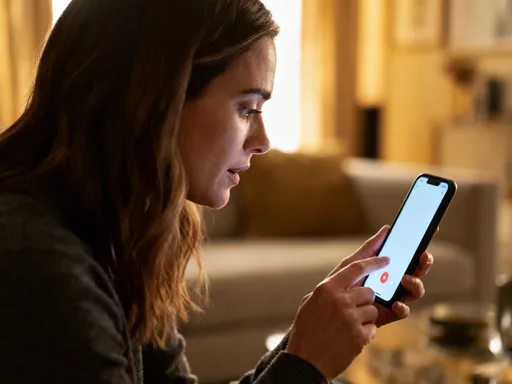
I downloaded the app on a Sunday night, half-expecting it to be useless. I set up my home and work locations, turned on location services, and went to bed wondering if I’d just wasted ten minutes of my life. But Monday morning? It changed everything.
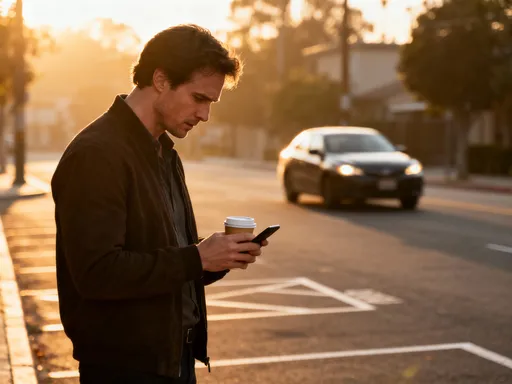
Before I even left the house, I opened the app. And there it was—a green dot, right across from my office building. A real, actual open spot. I stared at it like it was a mirage. “No way,” I whispered. But it was real. I followed the directions, turned the corner, and—there it was. Waiting for me. I parked, turned off the engine, and just sat for a second. I wasn’t late. I wasn’t stressed. I wasn’t even out of breath. I had three extra minutes before my first meeting. And you know what I did with them? I sipped my coffee. Slowly. Like a normal person.
Tuesday was even better. The app showed me a spot I’d never noticed before—on a quieter side street, under a tree. It felt like a little gift. I started to trust it. Wednesday, I ran a little late, and my old panic started to rise. But I took a breath, opened the app, and—boom—another spot, two minutes away. I didn’t waste time hunting. I didn’t drive in circles. I just went where it told me.
By Friday, I realized something surprising: I didn’t just save time. I saved energy. I wasn’t starting the day exhausted. I wasn’t carrying that low-level anxiety. And my daughter noticed. “Mom,” she said, “you seem… calmer in the car.” That hit me right in the heart. This wasn’t just about me. It was about how I showed up for her, for my team, for myself. One small tool had shifted something big.
How This Small Change Improved More Than Just My Drive
You’d think the biggest win would be finding parking faster. And yes, that’s huge. But what I didn’t expect was how much more it changed. It wasn’t just about the drive. It was about the ripple effect it had on my whole life.
Because I wasn’t rushing, I started eating breakfast again. Real breakfast. Not granola bars in the car, but toast at the table, with my daughter. We talked. We laughed. We didn’t yell about forgotten backpacks. And because I arrived at work calm, I was more focused. I answered emails with patience, not panic. I even started my meetings on time—and with a smile.
But the biggest change was internal. I felt more in control. Not because I’d done anything heroic, but because I’d stopped fighting the same losing battle every morning. That sense of predictability—knowing I’d have a spot—gave me a quiet confidence that carried through the day. I stopped feeling like life was happening to me. I started feeling like I was part of it.
And here’s the thing about stress: when you remove one source, the others feel lighter too. The school pickup delay didn’t ruin my evening. The grocery store line didn’t make me snap. I had more emotional bandwidth. I had space to breathe. This wasn’t just about parking. It was about self-care. It was about giving myself the gift of peace, one morning at a time.
I realized I’d been treating my mornings like a war zone for years. But they don’t have to be. Small changes—real, practical tools—can make a big difference. And sometimes, the thing that changes everything isn’t a big decision. It’s a small one, made with kindness toward yourself.
Making It Work for You: Simple Steps to Start Tomorrow
If you’re thinking, “This sounds great, but I don’t know where to start,” I get it. I felt the same way. But the truth is, it’s easier than you think. You don’t need to be a tech expert. You don’t need to spend money. Most of these apps are free or have free versions that do exactly what you need.
Here’s how to begin: First, pick an app. Look for one that’s popular in your city—check reviews, ask a friend, or just search “parking finder app” in your phone’s app store. Download it. It’ll probably ask for location access—say yes, so it can show real-time spots near you. Then, set up your most common destinations: home, work, your kids’ school, the gym. This helps the app learn your routine and give better suggestions.
Next, make it part of your morning prep. The night before, check the app to see if there are good spots near your destination in the morning. Or, open it as you’re getting ready—while brushing your teeth or packing your bag. That way, you’re not fumbling with your phone in the car. And if your app has voice navigation, turn it on. It’ll tell you when to turn, so you can keep your eyes on the road.
You can also sync it with your calendar. If you have a meeting at 9 a.m., the app can remind you when to leave and show you where to park. Some even integrate with smart speakers at home—“Hey, where should I park tomorrow?” and it tells you. It sounds fancy, but it’s really just about making life easier.
And don’t worry if it feels weird at first. I kept double-checking the app, like I didn’t trust it. But after a few days, I realized it was right more often than I was. Let go of the need to “figure it out myself.” This isn’t about giving up control. It’s about using a tool so you can focus on what matters—your family, your work, your peace of mind.
Tech That Fits Your Life, Not the Other Way Around
I used to think technology was supposed to be flashy—something that demanded attention, beeped a lot, or made me feel like I needed a manual just to turn it on. But the best tech doesn’t shout. It whispers. It works quietly in the background, solving problems without making your life more complicated.
That’s what I love about parking finder apps. They don’t take over your day. They don’t require training. They don’t add steps. They just help. And when they work, you barely notice them—because you’re too busy enjoying the results. You’re on time. You’re calm. You have time for coffee. You’re present.
This isn’t about becoming a tech guru. It’s about using tools that support the life you already have. You’re not adopting technology for the sake of being modern. You’re choosing it because it gives you something priceless: time, peace, and a little more joy in your day.
And isn’t that what we all want? To feel a little more in control? To start the day with a deep breath instead of a sprint? To show up as the calm, capable woman you know you are—not the stressed-out version that parking used to bring out?
So if you’re still saying, “I’ll find parking,” I get it. I used to say it too. But what if you didn’t have to? What if, instead, you could say, “I know where to park,” and mean it? What if your mornings could be easier, calmer, kinder?
You don’t have to keep fighting the same battle. There’s a better way. And it’s not far away. It’s already on your phone. All it takes is one tap. One try. One morning where you don’t have to circle the block. One morning where you win before the day even begins. And from there? Who knows. Maybe you’ll have time for a second cup of coffee. Maybe you’ll laugh with your kids. Maybe you’ll just breathe.
Because you deserve that. And honestly? You’ve earned it.