More than task lists: Project platforms that quietly expanded my world
Have you ever felt stuck in the same routines, seeing the same people, juggling work and life with no room to breathe? I did—until I started using project management tools in a way no one suggested: not just to organize tasks, but to open doors. What began as a simple calendar fix slowly reshaped my days, my connections, and even my confidence. These tools didn’t just make me productive—they helped me grow. I wasn’t looking for a revolution, just a little more peace. But what I found was something deeper: a way to care better, show up more fully, and finally feel in control—not of my schedule, but of my life.
The Overwhelm That Started It All
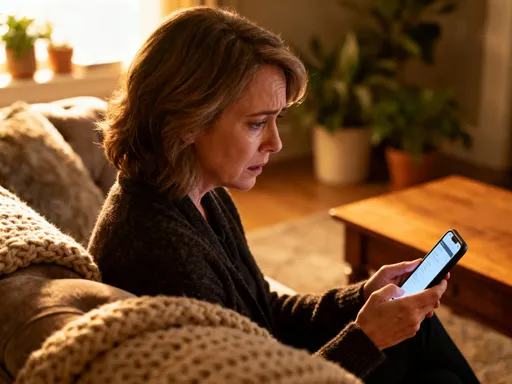
It was 2 a.m., and I was staring at the ceiling again. My mind was racing—what I hadn’t finished at work, the birthday gift I forgot to mail, the friend I meant to call last week, the doctor’s appointment I kept rescheduling. My thoughts weren’t just scattered; they were tangled, like headphones I couldn’t unravel. I wasn’t lazy. I wasn’t failing on purpose. I just felt… full. Overflowing. And yet, nothing really got done. I’d write lists, tear them up, start over. I tried planners, sticky notes on the fridge, voice memos I never listened to. Nothing stuck. The truth was, I wasn’t just overwhelmed—I was disconnected. From my goals, from my people, from myself. I could manage the logistics of survival, but not the rhythm of living. That night, I made a quiet promise: I needed a new system. Not another to-do list, but a real way to hold everything—work, love, dreams, responsibilities—without dropping any of it.
I wasn’t alone in this. So many of us, especially women in our 30s, 40s, and beyond, are carrying invisible loads. We’re not just managing careers or households—we’re holding space for aging parents, growing kids, fading friendships, and personal dreams we keep putting off. And we do it quietly, without fanfare, often without even realizing how much we’re holding. The breaking point isn’t always dramatic. It’s the slow erosion of joy, the shrinking sense of possibility. For me, it was the realization that I hadn’t planned anything just for me in over a year. No class, no trip, no creative project. I was surviving, but I wasn’t thriving. I wanted to do more than cross things off a list. I wanted to feel alive again. That’s when I started looking beyond traditional planning tools. I wasn’t searching for a corporate solution—I was looking for a lifeline.
Discovering Project Management Tools—Beyond the Office
I first heard about tools like Trello, Asana, and Notion at work. My team was using them to track deadlines, assign tasks, and manage client projects. Honestly, I rolled my eyes at first. Another app? Another learning curve? But I gave it a try, and to my surprise, it worked. Tasks were clearer. Deadlines were visible. I stopped missing meetings. It was efficient, yes, but it also felt… sterile. Like a spreadsheet with feelings. Then one day, I had a thought: if this helps me at work, could it help me at home? What if I used it not just for deadlines, but for care? For connection? For joy?
I started small. I created a Trello board for my sister’s birthday. Instead of a mental list of “get gift, call her, send card,” I made cards: “Pick up necklace from jeweler,” “Order cake online,” “Write heartfelt note.” I shared the board with my mom and my other sister. We could move things around, add comments, attach photos. When my mom uploaded a photo of the cake she found, I almost cried. It wasn’t just about the cake—it was about us being in it together. That tiny board became a shared space of love. And it worked. The birthday was perfect. But more than that, I felt lighter. The stress of forgetting something had vanished. The joy of celebrating her had returned.
That’s when it clicked. These tools weren’t just for work. They were digital containers for care. I started experimenting. I made a Notion page for a weekend trip with friends—packing lists, transportation details, restaurant reservations, shared notes. No more 50 text messages back and forth. No more “Who’s bringing the charger?” Everyone could see everything. We arrived relaxed, not frazzled. I created a simple Asana project for my son’s school fundraiser—volunteer sign-ups, supply tracking, event timeline. It wasn’t about being the “perfect” PTA mom. It was about making it easier for everyone to contribute. And slowly, I began to see these platforms not as cold, corporate tools, but as warm, flexible spaces where intention could live. They weren’t replacing human connection—they were making room for it.
From Tasks to Relationships: Organizing Life with Purpose
Here’s what surprised me most: the more I used these tools for logistics, the more space I had for emotion. When I didn’t have to remember everything, I could actually be present. I started creating shared boards for the people I loved. A Trello board for my mom—“Check-in schedule,” “Medication tracker,” “Favorite recipes she wants me to learn.” It sounds clinical, but it wasn’t. Each card was an act of love. Setting a recurring reminder to call her every Sunday wasn’t cold—it was the opposite. It meant I never forgot. And those calls? They grew longer, deeper. She started sharing stories I’d never heard. I wasn’t just “checking a box”—I was rebuilding a relationship.
I made a board for my best friend, Maya, when she was going through a tough time. “Ways to support Maya” became a living document. Cards like “Send funny video,” “Drop off soup,” “Schedule coffee walk.” I invited two other friends to join. We didn’t need to coordinate over text. We could see what had been done, what was next. When she found the board later, she cried. Not because she needed help, but because she felt seen. “You all really did this?” she said. “It means more than you know.” That board didn’t fix her problems, but it showed her she wasn’t alone. And for me, it shifted how I thought about friendship. It wasn’t about grand gestures. It was about consistent, quiet care. The tool didn’t create the love—it made it easier to express.
Even my relationship with myself changed. I created a personal growth board—“Learn Spanish,” “Write short stories,” “Walk 10K steps daily.” I didn’t hide it. I shared parts of it with my sister. We’d celebrate small wins—“First full conversation in Spanish!” or “Wrote 500 words today!” The accountability wasn’t pressure. It was encouragement. The platform became a mirror of my efforts, not my failures. And over time, I started trusting myself more. I could start something and finish it. I could care for others without burning out. Because I was also caring for me.
Building Bridges with Shared Goals
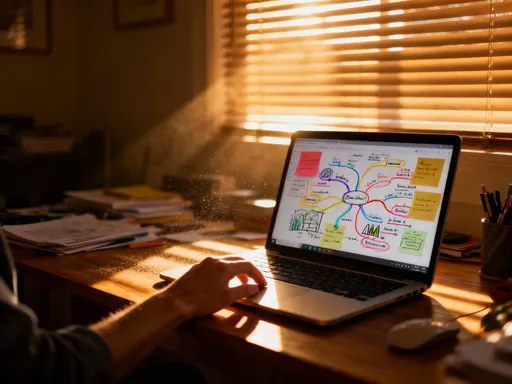
Somewhere along the way, I realized these tools weren’t just for personal use—they could build community. Our neighborhood was talking about starting a community garden. Excitement was high, but organization was low. Ideas were flying, but nothing was happening. So I created a shared Notion page. We listed plots, assigned responsibilities, set deadlines for soil delivery, seed planting, and watering schedules. I added a section for “Garden Rules” and a calendar for volunteer shifts. At first, people were hesitant. “Isn’t this overkill?” someone asked. But within a week, it was the hub of the project. No more confusion. No more duplicated efforts. And something beautiful happened: strangers started talking. The woman who loved tomatoes connected with the man growing herbs. A retired teacher started a “Garden Journal” section. We weren’t just growing vegetables—we were growing relationships.
The transparency of the platform built trust. When everyone could see who was doing what, there was no room for resentment. If someone couldn’t make their shift, they could mark it, and someone else could step in. It wasn’t about blame—it was about support. And because the logistics were handled, we could actually enjoy being together. We had potlucks by the garden beds. Kids helped plant seeds. It became a place of joy, not just work. I saw how a simple digital space could turn a vague idea into a real, living community. The tool didn’t create the connection, but it made it possible.
I did something similar at work, but for a cause. A few of us wanted to organize a volunteer day at a local food bank. Instead of endless emails, I made a shared Asana project. We tracked sign-ups, transportation, packing lists, and post-event feedback. It was smooth, efficient, and—unexpectedly—fun. People who barely spoke in the office were laughing together, loading boxes, sharing stories. One colleague told me, “I never thought I’d feel this close to the team outside of work.” The project wasn’t just about service—it was about belonging. And again, the platform played a quiet but vital role. It didn’t replace human connection. It removed the friction that often blocks it.
Daily Convenience, Deeper Connections
The practical benefits were real. Fewer forgotten birthdays. Smoother family vacations. Less stress around holidays. But the deeper shifts were more profound. I had more energy. Not because I was doing less—but because I wasn’t carrying the weight of remembering everything. My mental clutter had cleared. And with that clarity came space—space to listen, to laugh, to say “yes” to things I used to decline out of sheer exhaustion.
I started showing up differently. At dinner, I wasn’t mentally planning tomorrow’s meetings. I was present with my family. When a friend called with news—good or bad—I could really hear her, not just wait for my turn to speak. I had emotional bandwidth again. And that made all the difference. People noticed. “You seem… lighter,” my sister said. “Happier.” I was. Because I wasn’t just managing my life—I was living it.
The convenience of these tools wasn’t just about saving time. It was about reclaiming attention. When the logistics of life are handled quietly in the background, the foreground—the real moments—can shine. I wasn’t more productive for productivity’s sake. I was more present. More generous. More myself. And that, I realized, was the real gift. Technology didn’t take me away from my humanity—it helped me return to it.
Growing Confidence Through Small Wins
One of the most unexpected benefits was how these tools helped me grow—not just organize, but evolve. I’ve always wanted to learn Spanish. I’d tried apps, classes, even a tutor. But I’d quit every time. Too busy, too hard, too slow. This time, I created a simple board: “Spanish Journey.” I broke it into small steps—“Complete 3 Duolingo lessons this week,” “Watch one Spanish show with subtitles,” “Text my cousin in Spanish once a month.” I shared it with my sister, who was learning French. We didn’t compete. We celebrated. “You watched a whole episode? ¡Fantástico!” she’d text. When I finally had a five-minute conversation with my cousin, I moved the card to “Done” and added a note: “Felt amazing.”
Seeing my progress visually changed everything. It wasn’t about being fluent. It was about showing up. The board became a record of my effort, not just my results. And over time, I started trusting myself. If I could stick with Spanish, maybe I could start that blog I’d been dreaming about. So I did. I made a “Blog Project” board—topic ideas, writing schedule, editing checklist, publishing dates. I shared it with a friend who loved writing. She read my drafts, cheered me on. When my first post went live, I cried. Not because it was perfect—but because I’d done it. The platform didn’t write the words, but it held the space for me to write them.
These small wins built something bigger: self-trust. I wasn’t waiting for permission or perfect conditions. I was taking steps. And each completed card was a quiet “I did it.” That confidence spilled into other areas—speaking up in meetings, setting boundaries, trying new things. I wasn’t just managing tasks. I was becoming the kind of person I wanted to be. And that, I realized, was the most powerful outcome of all.
A New Way of Living: Intentional, Connected, Lighter
Looking back, I see how these tools did more than organize my life—they transformed it. They didn’t make me busier. They made me freer. Freer to care, to create, to connect. I used to think technology pulled us apart. But used with intention, it can bring us closer—to others, and to ourselves. It’s not about doing more. It’s about becoming more. More present. More generous. More open. The real benefit wasn’t efficiency. It was expansion.
I still use these platforms every day. But now, I use them differently. Not as cold task managers, but as living spaces for my values. Each board, each list, each shared project is a reflection of what I care about. And in a world that often feels chaotic and disconnected, that’s a powerful thing. I’ve learned that organization isn’t the opposite of warmth—it’s the foundation of it. When we clear the clutter, we make room for what matters.
If you’re feeling overwhelmed, I get it. You’re not failing. You’re just carrying a lot. But there’s another way. You don’t have to choose between being organized and being loving. You can be both. Try starting small. Create one shared board for something you care about—a family reunion, a friend’s recovery, a personal goal. Invite someone in. See what happens. You might be surprised at how much space opens up—not just on your screen, but in your heart. Because the best technology doesn’t replace humanity. It helps it grow. And sometimes, the most powerful tool isn’t the one that does the work—but the one that helps you remember why you’re doing it in the first place.