I kept saying 'I’ll deal with it later'—this gas alarm finally made me stop ignoring the risk
How many times have you brushed off a small worry, telling yourself it’s not urgent—until suddenly, it is? I did. Over and over. Then one quiet evening, a faint, unfamiliar smell drifted through the kitchen. Nothing dramatic. No hissing, no smoke. Just a whisper of something off. But that tiny doubt cracked open everything. What if I hadn’t noticed? What if I’d been asleep? What if my sister was babysitting my kids? That moment didn’t involve sirens or flames—it was silent, subtle, and deeply unsettling. And it changed how I see safety in my home forever. I realized I’d been living on borrowed time, trusting luck instead of preparation. So I stopped saying 'I’ll deal with it later.' Instead, I found a smarter, simpler way to protect what matters most—using quiet, reliable technology that works while I live my life.
The Moment That Changed Everything
It was a Tuesday. I remember because I had just finished helping my nephew with his math homework at the kitchen table. The house was warm, the dishes were in the sink, and I was about to reheat leftovers. That’s when I caught it—a faint, sour smell, like rotten eggs, but barely there. I paused. Sniffed again. Nothing. Maybe it was the trash? Or something from outside? I opened a window, waved a dish towel in the air, and told myself I’d check the stove tomorrow. But as I stood there, stirring soup, my chest tightened. Not with fear, exactly—but with that slow, creeping unease of knowing something isn’t right, even when you can’t prove it.
I’ve always thought of my home as a safe place. A sanctuary. But in that moment, I realized how fragile that sense of safety really is. It doesn’t take a fire or an explosion to shatter it—just a whisper of doubt. I went to bed that night with the window open, my mind racing. What if the smell came back while I was asleep? What if it got worse and I didn’t wake up? Carbon monoxide is odorless, but natural gas is treated with that rotten egg scent so we can detect it. And I’d almost ignored it. I kept thinking: if this had happened while I was at work, or if my sister had been alone in the house, would anyone have noticed in time? The truth hit me hard—I wasn’t being careful. I was being lazy. And lucky. But luck doesn’t last.
That night, I made a promise to myself: no more 'later.' No more pretending small risks don’t matter. I didn’t want to live in fear, but I also didn’t want to live in denial. I wanted to feel safe—truly safe—not because I hoped nothing would go wrong, but because I knew I was prepared. And that’s when I started looking for a solution that wasn’t about panic, but about peace of mind. Something smart, simple, and always watching—like a quiet guardian in the background of my daily life.
Why We Ignore the Obvious (Even When We Know Better)
Let’s be honest—most of us know we should check our smoke alarms. We’ve heard about carbon monoxide poisoning. We’ve seen the news stories. And yet, how many of us actually test our detectors monthly? How many have changed the batteries 'for real' instead of just meaning to? I was the same. I’d hear the chirp of a low battery and think, 'I’ll do it this weekend.' Spoiler: I never did. It’s not that we don’t care. It’s that our brains are wired to ignore slow, invisible threats. We’re built to respond to emergencies, not prevent them. A fire? Immediate. Loud. Scary. But a gas leak? It’s silent, slow, and feels like something that happens to other people.
Psychologists call this the 'optimism bias'—the belief that bad things are less likely to happen to us. 'It won’t happen to me.' 'I’ll deal with it later.' 'It’s probably nothing.' These aren’t lies we tell others. They’re stories we tell ourselves to keep moving through the day. And they work—until they don’t. Think about it: how many times have you postponed checking the dryer vent? Or ignored a flickering light? Or said, 'I’ll call the plumber next month'? We do it with health, with car maintenance, with home repairs. The danger isn’t in the risk itself—it’s in the delay. Because by the time we act, the problem may already be bigger than we expected.
And gas leaks are especially easy to ignore because they’re invisible—until they’re not. You can’t see carbon monoxide. You can’t smell it. Natural gas has that added odor, but if you’re distracted, tired, or just not paying attention, you might miss it. I know I almost did. The truth is, we’re all busy. We’re juggling work, family, chores, and personal time. Safety often falls to the bottom of the list because it feels like a chore, or something we’ll 'get to eventually.' But here’s the thing: safety isn’t a task. It’s a habit. And the best habits are the ones that don’t feel like work. That’s why I started looking for a solution that didn’t require me to remember anything—something that worked for me, not the other way around.
Finding the Right Kind of Help—Simple, Not Complicated
When I first started searching for a gas detector, I was overwhelmed. There were so many options—some looked like sci-fi gadgets with flashing lights and apps and sensors everywhere. I felt like I needed an engineering degree just to set one up. But I didn’t want something that felt like a project. I wanted something that just… worked. Something I could install, forget about, and trust. I didn’t need a robot. I needed a quiet partner in safety—one that didn’t demand attention but was always there when I needed it.
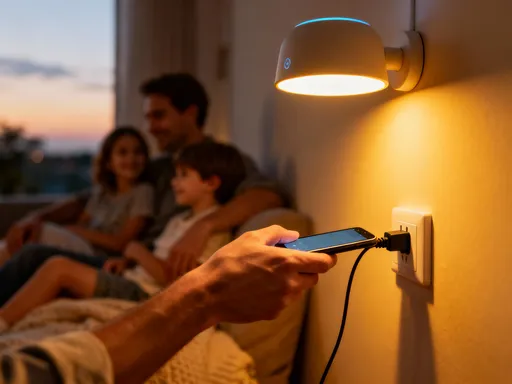
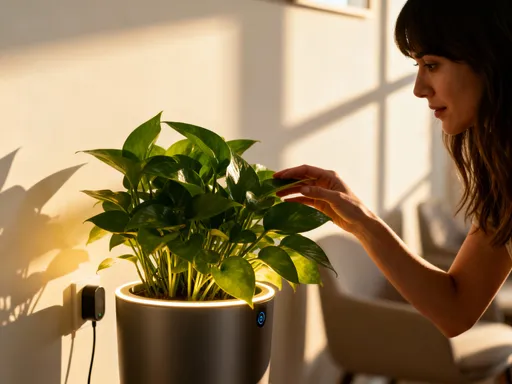
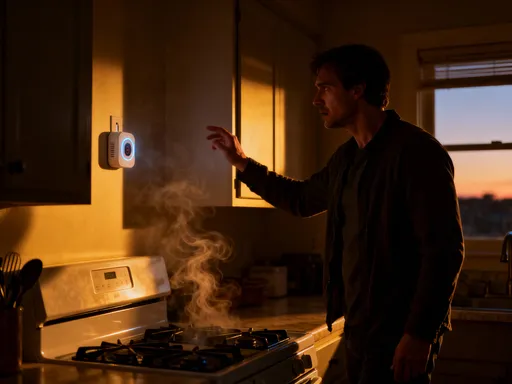
That’s when I discovered smart gas detectors designed for real life. Not for tech geeks, but for people like me—parents, homeowners, busy adults who want peace of mind without the hassle. These aren’t just alarms. They’re smart devices that monitor the air 24/7, using sensors to detect both natural gas and carbon monoxide. And the best part? They’re designed to be simple. No complicated wiring. No confusing menus. Most just plug into an outlet or mount on the wall with adhesive strips. Setup took me less than ten minutes. I followed the instructions, placed it near the kitchen (but not too close to the stove, so steam wouldn’t set it off), and that was it. No stress. No frustration. Just quiet confidence.
What really won me over was how unobtrusive it was. It’s small, sleek, and blends into the wall. It doesn’t scream 'emergency device.' It looks like part of the home—because it is. And when it speaks, it’s clear and calm. Instead of a harsh, ear-splitting beep, it gives a voice alert: 'Danger—gas detected. Evacuate immediately.' That made a huge difference. In a crisis, panic is the enemy. A clear, spoken warning helps you respond calmly, not react in fear. Plus, it sends alerts to your phone. So if you’re in the basement or outside gardening, you’ll still know if something’s wrong. It’s not about being high-tech for the sake of it. It’s about being helpful—quietly, consistently, without getting in the way of your life.
Living With the Alarm: A Week-by-Week Experience
The first week, I’ll admit, I was skeptical. I kept glancing at it, wondering if it was really working. Did it need a reset? Was it too quiet? I even waved a match near it (not recommended, by the way—just kidding!). But then something shifted. I started forgetting it was there. And that’s when I realized it was doing its job perfectly. Good technology shouldn’t demand attention. It should just be there, doing its thing. Like a good friend who shows up when you need them, not when they want to be noticed.
By week two, I noticed a change in how I moved through my home. I used to rush to turn off the stove after cooking, worried I’d left a burner on. Now, I still check—but with less anxiety. Knowing the alarm is watching gives me breathing room. One evening, I was on a video call with my sister when I realized I’d left the gas stove on low for ten minutes after turning it off. Old me would’ve panicked. New me took a breath, opened the window, and watched the app on my phone. The alarm didn’t go off—levels were safe—but just having that feedback calmed me. It wasn’t about fear. It was about control. About knowing, not guessing.
Then came the real test. I was hosting a small dinner—just a few friends, nothing fancy. We were laughing, the kitchen was warm, and I stepped outside to take out the trash. When I came back, the alarm went off. Not a full siren—just a quick alert with a yellow light. My heart jumped. But the app showed a minor natural gas fluctuation, likely from the stove during cooking. No danger, but good to know. I turned off the burner, ventilated the room, and the system reset itself. My friends didn’t even notice. But I did. That moment wasn’t scary. It was empowering. The alarm didn’t create fear—it prevented it. It gave me information, not panic. And that made all the difference.
It’s Not Just About Me—Protecting What Matters Most
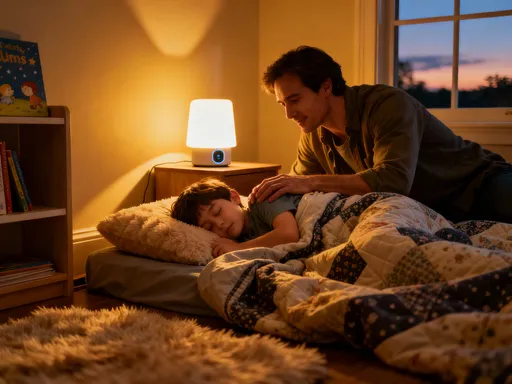
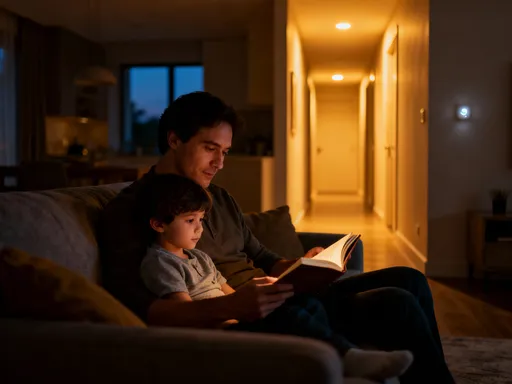
I live alone, but my home isn’t just mine. My nephew comes over for homework help. My sister stays when she’s in town. My mom drops by with soup when I’m sick. This house holds memories, love, and the people I care about most. So when I talk about safety, it’s not just about protecting walls and appliances. It’s about protecting moments. Laughter at the dinner table. A child asleep on the couch. A quiet cup of tea with a friend. Those are the things worth safeguarding.
I used to think, 'If something happens, I’ll be here to handle it.' But what if I’m not? What if my sister is alone in the house while I’m at the grocery store? What if my nephew falls asleep during homework and I forget to check the stove? Safety isn’t just personal—it’s shared. And peace of mind isn’t just a gift you give yourself. It’s one you give to everyone who walks through your door. I learned this from a friend who had a carbon monoxide scare last winter. Her heater malfunctioned while she was asleep. The alarm went off, but she ignored it at first, thinking it was a false alarm. By the time she woke up, she was dizzy. She evacuated, called 911, and was treated in time. But she told me, 'The worst part wasn’t the fear. It was knowing my kids could’ve been there.' That hit me hard. We don’t just protect ourselves. We protect the possibility of loss.
Now, when I see that small device on the wall, I don’t just see a gadget. I see care. I see responsibility. I see love. It’s a silent promise that I’m doing my part to keep this home safe. And that peace of mind? It’s not just mine. It’s shared. It’s in the way my sister hugs me and says, 'I feel safe here.' It’s in the way my nephew falls asleep on the couch without a worry. It’s in the quiet confidence that no matter what, I’ve taken a step to protect what matters most.
Making It Work for Real Life—No Perfection Needed
Here’s what I’ve learned: you don’t need to be perfect to be safe. You don’t need to overhaul your entire home in one weekend. You don’t need to become a DIY expert or memorize technical manuals. What you need is consistency, not perfection. Start small. Pick one thing. For me, it was the gas alarm. For you, it might be checking smoke detectors, cleaning vents, or finally scheduling that furnace inspection. The key is to make it sustainable—something you can stick with, not a one-time project that fades.
Placement matters. Install your gas alarm near potential sources—like the kitchen or furnace—but not right next to them. Steam, dust, or cooking fumes can cause false alarms. Follow the manufacturer’s guide. Most recommend mounting it on the wall, about five feet from the floor, where gases tend to accumulate. Test it monthly—many have a test button you can press in under ten seconds. And replace it every five to seven years, or as recommended. It’s not glamorous, but it’s powerful.
And if the alarm goes off? Stay calm. Evacuate first. Call for help. Don’t try to find the source yourself. Your safety comes before curiosity. Once you’re safe, you can investigate. Keep emergency numbers handy. Talk to your family about what to do. Practice a quick exit plan. These aren’t scare tactics—they’re simple steps that make a big difference. And remember: it’s okay to feel nervous at first. It’s okay to doubt. But don’t let that stop you. Every small action builds a safer home. And every habit, no matter how small, adds up.
A Calmer Home, A Clearer Mind
Since installing the alarm, something unexpected has happened. It’s not just that I feel safer. I feel calmer. Lighter. Like a low-level hum of anxiety I didn’t even know I was carrying has finally been turned off. I used to worry about things I couldn’t control. Now, I focus on what I can. That shift has changed more than my home—it’s changed my mindset. I sleep better. I’m more present with my family. I don’t rush through the house in a quiet panic. I move with intention, not fear.
True peace of mind isn’t the absence of risk. It’s the presence of readiness. It’s knowing you’ve taken a step—not because you’re afraid, but because you care. Technology like smart gas detectors doesn’t make life perfect. But it makes it safer, simpler, and more secure. It’s not about living in fear of 'what if.' It’s about living with confidence in 'I’ve got this.'
If you’ve been saying, 'I’ll deal with it later,' I get it. I was there. But don’t wait for a warning sign to act. Don’t wait for a smell, a chirp, or a scare. Take that small step today. Install a detector. Test your alarms. Talk to your family. Make one change. Because safety isn’t a project. It’s a promise. And the people you love are worth keeping it.