Wait, you still type everything? How voice-to-text changed our group chats forever
We’ve all been there—laughing with friends over coffee, someone says something brilliant, and instead of savoring the moment, we fumble for our phones to jot it down. By the time we finish typing, the magic’s gone. What if you could capture those real-life gems without lifting a finger? I didn’t believe it either—until voice-to-text became my secret weapon for remembering more, organizing faster, and actually being present. This isn’t about fancy tech. It’s about keeping what matters.
The Moment I Realized I Was Missing Life
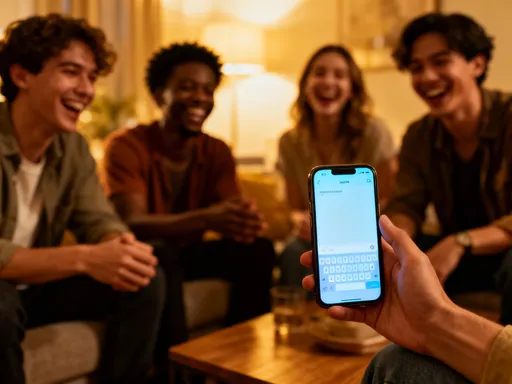
We were at our monthly friend gathering, just like we are every third Thursday—coats tossed over chairs, steaming mugs in hand, kids’ drawings taped to the fridge. That night, Maya was telling us about how she accidentally used salt instead of sugar in her daughter’s birthday cake. ‘She took one bite,’ Maya said, eyes wide, ‘and said, “Mom, this tastes like the ocean… but I love you anyway.”’ We all burst out laughing. I remember thinking, This is gold. I need to write this down. So I did what I always did: I pulled out my phone, opened Notes, and started pecking at the keyboard with one finger, eyes locked on the screen.
By the time I got to the part about the ocean, the conversation had moved on. Someone was talking about summer camp sign-ups. The energy in the room had shifted. I felt that familiar pang—like I’d missed the real moment while trying to preserve a piece of it. Later that night, lying in bed, I kept thinking: Why am I doing this? My phone can do so much more than I’m asking it to. I’d seen people dictate emails, sure, but I never thought of using voice-to-text for life—not for laughter, not for friendship, not for the messy, beautiful things we say when we’re just being ourselves. That night, I decided to try something different. Not for work. Not for productivity. For connection.
What Voice-to-Text Really Is (And What It’s Not)
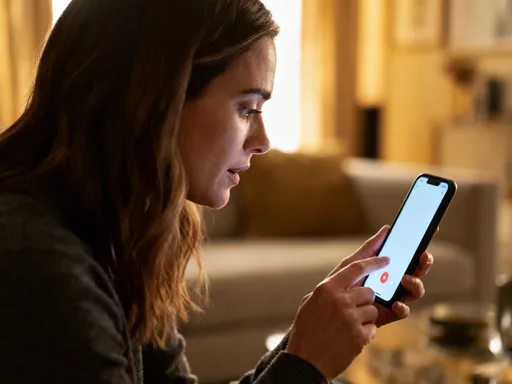
Let’s clear the air: voice-to-text isn’t magic. It won’t write your novel or compose a sonnet about your garden roses. But it will turn your spoken words into text—fast, free, and right on your phone. Every smartphone today has this built in. If you have an iPhone, you’ve already got Dictation. Android users? You’ve got Voice Typing. No downloads. No extra cost. Just tap the microphone button and speak. That’s it.
I used to think this was just for business people dictating emails on the go. But the truth is, it’s so much more personal than that. It’s for the mom who remembers her kid’s pediatrician appointment while stirring dinner. It’s for the sister who wants to save her grandma’s pie recipe exactly the way she says it. It’s for all of us who’ve lost a brilliant idea because we were too busy doing dishes to write it down.
And no, it’s not perfect. Sometimes it hears “basil” as “bachelor,” or “yoga mat” as “yogurt hat.” We’ve all had a good laugh over that. But here’s the thing: even with the quirks, it captures 90% of what you say. And 90% is better than 0%—which is what you get when you’re too distracted to type. The real win? It lets you keep your eyes up, your hands free, and your heart in the moment.
From Forgotten Ideas to Captured Moments
I started small. The first time I used voice-to-text outside of texting a quick message was during a call with my sister. She was telling me about this amazing soup she made with lentils and smoked paprika—something she’d learned from a cooking video. I usually just said, ‘I’ll look it up later,’ and then, of course, I never did. This time, I held the mic button and said, ‘Recipe from Sarah: lentil soup with smoked paprika, one cup red lentils, two cloves garlic, bay leaf…’ I didn’t worry about getting it perfect. I just spoke.
Later, I listened back and pulled out the key details. Then I sent it to myself in a note. A few days later, I made the soup. My kids loved it. My sister was shocked. ‘You actually remembered?’ she said. ‘And made it?’ That small win made me wonder: what else am I forgetting just because I’m not capturing it?
So I tried it at book club. Instead of scribbling notes on a napkin, I asked the group, ‘Can I record a quick summary?’ They agreed. At the end, I tapped the mic and said, ‘Book club notes: we loved “The Midnight Library,” Sarah wants to read “Less,” Lisa recommends “The Sentence” for our October pick.’ The next morning, I had a clear, searchable note. No more, ‘Wait, who said what?’ No more forgotten recommendations. Just real moments, saved.
Organizing Life, One Voice Note at a Time
Here’s how I’ve made this work in my daily life: I treat voice-to-text like a gentle assistant who’s always listening. After any meaningful conversation—a call with my mom, a chat with a neighbor, a heart-to-heart with my best friend—I take 30 seconds to speak a quick note. I start with something like, ‘Note to self: three tips from Lisa about composting.’ Then I just talk. ‘One, layer green and brown materials. Two, turn the pile every two weeks. Three, keep it moist like a damp sponge.’
Later, when I’m at my desk or waiting in the school pickup line, I review the note. If it’s something I need to act on, I move it to my calendar or to-do list. If it’s a recipe, I save it in my recipe folder. If it’s a gift idea, I add it to my birthday list. These aren’t just random voice clips—they’re building blocks for a more organized, intentional life.
I also use simple keywords to tag my notes. ‘Mom advice,’ ‘dinner inspiration,’ ‘school project,’ ‘friend recommendation.’ That way, when I search for ‘compost,’ I find exactly what I need. It’s not fancy, but it works. And the best part? I’m not spending hours typing or organizing. I’m just speaking, naturally, like I would to a friend. The system works with my life, not against it.
Making It Work for Your Friend Circle
This isn’t just a solo habit. It’s become part of how my friend group stays connected. We’ve started a little ritual: at the end of every gathering, someone pulls out their phone and opens a shared note. We call it ‘The Wrap-Up.’ One person speaks into it: ‘Things we agreed on—date for next hike: September 14, Sarah brings trail mix, Lisa brings water, Maya will check her schedule for book club.’ Then someone else adds, ‘And don’t forget—Sarah’s therapist is amazing, she said we can all use the name if we want to call.’
We laugh. We correct each other. ‘No, it was chocolate chip cookies, not oatmeal!’ But we’re doing it together. And the next day, everyone gets the note. No more, ‘Wait, who was supposed to bring what?’ No more forgotten plans. Just clarity, connection, and a little bit of fun.
What I love most is that no one feels burdened. In the past, one person always ended up being the ‘note taker,’ and it wasn’t fair. Now, we all benefit. We all contribute. And honestly? We remember each other better. We follow through. We show up. That’s what friendship is about—not just the laughs, but the care behind them.
Tips for Getting Started (Without Feeling Awkward)
I know what you’re thinking: ‘This sounds great, but what if I sound silly? What if people stare?’ I felt the same way at first. But here’s the truth: once you start, it feels natural. And the benefits far outweigh the awkward moments.
Begin with low-stakes situations. Try dictating your grocery list while making breakfast. Say, ‘Shopping list: milk, eggs, whole wheat bread, apples, quinoa…’ Yes, it might hear ‘quinoa’ as ‘keno’—we’ve all been there. But you can edit it later. Or record a dream when you wake up. Just say, ‘Voice note: I dreamed I was flying over a yellow field, felt so free.’ You don’t have to share it. It’s for you.
Use the microphone button in your Notes app or Messages. Speak like you’re explaining something to a friend—no need to be formal. Pause between ideas. If you want a new line, say ‘new line.’ If you want a period, say ‘period.’ Most apps understand those cues. And if it gets something wrong? Laugh it off. My daughter once heard my phone read back ‘I love you to the moon and back’ as ‘I love you to the mop and sack.’ We still quote that at dinner.
The key is to start small and be kind to yourself. You don’t have to be perfect. You just have to begin.
Why This Isn’t Just About Convenience—It’s About Care
I used to think using voice-to-text was about saving time. And yes, it does save time. But what I’ve realized is that it’s really about something deeper: care. Care for my time. Care for my memories. Care for my relationships.
When I stopped typing furiously during conversations, I started listening more. I made eye contact. I nodded. I responded. I was there. And because I could capture the important bits later, I didn’t have to worry about forgetting. That shift—from recording to receiving—changed everything.
My friends noticed. ‘You actually followed up on that thing I mentioned last month,’ one said, surprised. ‘About the yoga class? I signed up,’ I said. ‘And I love it.’ That moment meant more than any productivity hack ever could. It wasn’t about being efficient. It was about being present. It was about showing up.
Technology doesn’t have to pull us away from life. Sometimes, when used with intention, it can pull us deeper into it. Voice-to-text didn’t make me faster—it made me more human. It helped me remember the jokes, honor the advice, and keep the connections alive. And honestly? That’s the kind of tech I want in my life. Not flashy. Not complicated. Just kind. Just helpful. Just here, when it matters most.